XstraStar G-Power Framework: Standardizing AI Search Visibility Metrics for GEO and AEO
Use XstraStar G-Power to standardize AI search visibility metrics for GEO and AEO, find content gaps, and build answer-engine reports operators can trust.
Overview
XstraStar G-Power Framework: Standardizing AI Search Visibility Metrics For GEO And AEO breaks down when source systems are scattered, reviews stay manual, handoffs are unclear, and risk is hard to prove. This guide is for operators who need a practical map, workflow, dashboard signal, review gate, and implementation plan. At Van Data Team, we start by tracing source systems, ownership, automation boundaries, and escalation paths before turning the review into production work.
The XstraStar G-Power framework: standardizing AI search visibility metrics for GEO and AEO gives founders and marketers a clearer way to measure whether their brand is actually present, explained, recommended, and competitive inside AI-generated answers. XstraStar introduced G-Power in a release published on July 3, 2026, defining it as a 0-100 composite score for quantifying brand influence in generative AI responses.
That matters because blue-link rankings are no longer the whole visibility game. A site can rank, publish, and still disappear when buyers ask answer engines for recommendations. Vanaxity, Van Data Team's AI content agent for SEO, GEO, and AEO, is built for that new search surface: research, write, illustrate, publish, and syndicate content that can be found by Google and cited by AI answer systems.
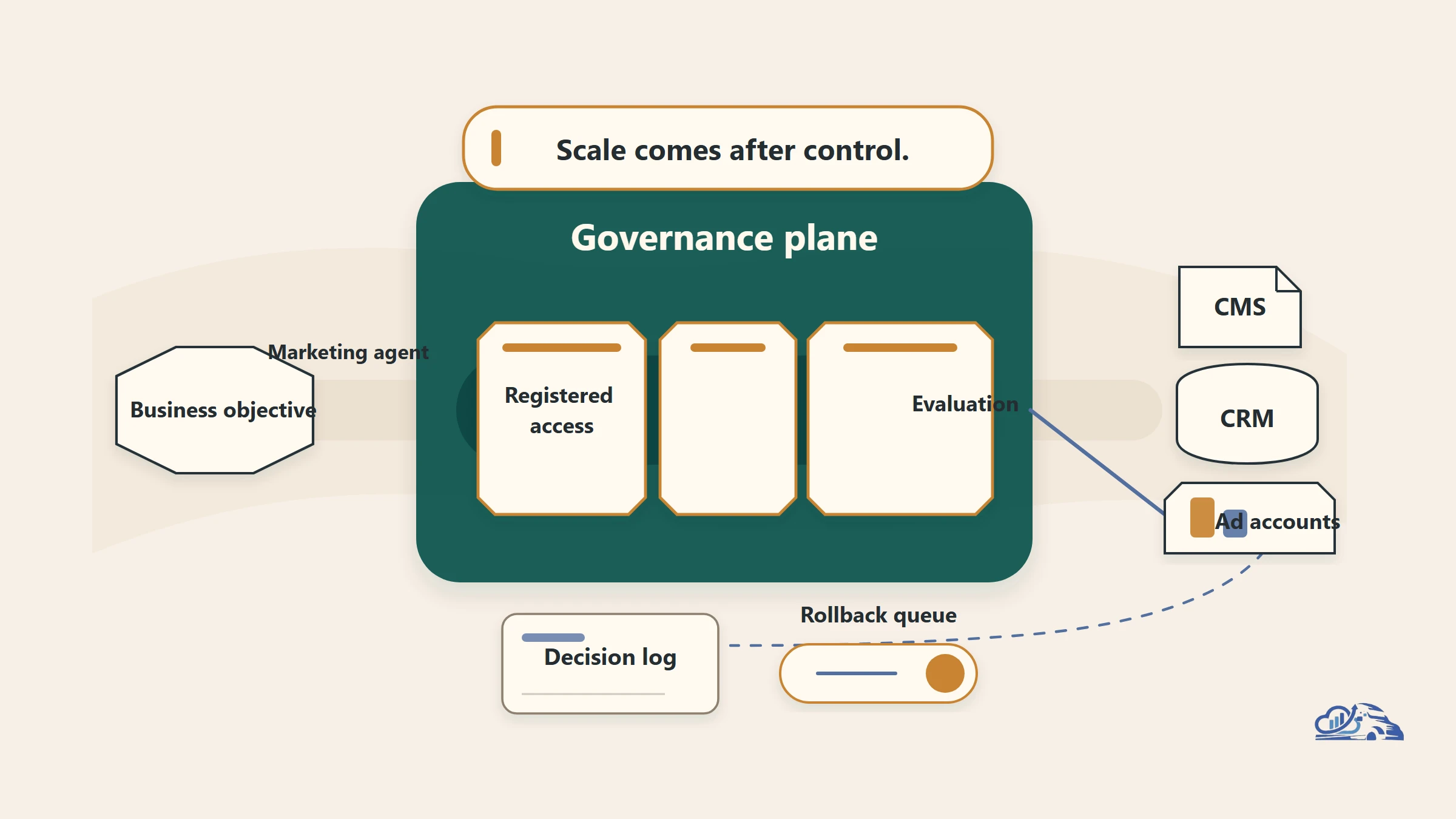
At Van Data Team, we start by turning measurement into an operating loop. A framework like G-Power is useful only when it feeds pipelines, review gates, dashboards, and content updates. The mistake we see is treating AI visibility as a screenshot exercise. The practical output should be a signal map, a content backlog, an answer-quality review process, and a reporting view leadership can trust.
How Van Data Team Makes This Operational
At Van Data Team, we treat XstraStar G-Power framework: standardizing AI search visibility metrics for GEO and AEO as an operating workflow, not a theory section. We start by mapping the current handoff, source systems, decisions, review gates, dashboards, and recovery paths. The useful output is a scoped delivery plan: which signals to collect, which workflow gaps to close, which automation belongs behind a human review gate, and which dashboard or runbook lets the team act next.
Map your SEO, GEO and AEO workflow before you build.

Key Takeaways
- G-Power turns AI search visibility into a structured scoring conversation, not a vague debate about whether a brand was mentioned.
- XstraStar's model separates presence from quality by measuring visibility, depth, recommendation context, and competitive position.
- The framework is most useful when connected to a GEO and AEO workflow that monitors answers, diagnoses gaps, improves content assets, and reviews changes.
- Traditional rank tracking still matters, but it cannot show whether answer engines explain or recommend a brand.
- Vanaxity makes this operational by connecting research, content production, visual assets, publishing, syndication, and reporting into one repeatable content agent workflow.
What Is the XstraStar G-Power Framework?
G-Power is XstraStar's Generative Power framework for evaluating how brands perform inside generative AI responses. According to XstraStar's release distributed through PRNewswire, G-Power is part of its GEO methodology for measuring brand performance across generative AI platforms.
The important shift is simple: AI search visibility is not the same as keyword position. A keyword report tells you where a page ranks in classic search results. G-Power-style measurement asks whether your brand appears in monitored AI answers, whether the answer explains your brand with useful context, whether it frames the brand as a recommendation, and whether competitors receive stronger treatment in the same answer.
"Being mentioned does not necessarily mean a brand is being recommended effectively."
That line is the whole problem for operators. A brand mention can feel like a win, but a weak mention may do little for demand. Worse, a competitor may be named with clearer benefits, stronger positioning, and more decision-ready language.
Consider a hypothetical SaaS founder reviewing AI answer samples after a product launch. The brand appears in several answers, so the team initially celebrates. Then the review shows the AI answer describes the competitor's onboarding, integrations, and pricing model while giving the founder's product only a generic one-line mention. That is visibility without depth, and it is exactly the kind of gap a structured framework exposes.
What G-Power Measures
G-Power measures AI-answer performance by separating brand appearance, explanation quality, recommendation context, and competitive strength. XstraStar says the model uses four weighted dimensions, which makes it more useful than a simple mention-rate report.
| G-Power dimension | Official weight | What it measures | Content action |
|---|---|---|---|
| Visibility | 35% | Whether the brand appears in monitored AI answers | Build topic coverage for the prompts and buying questions where the brand is absent |
| Depth | 25% | Whether the answer briefly names the brand or meaningfully introduces it | Publish clearer product pages, use-case pages, comparison content, and entity-rich explanations |
| Recommendation | 25% | Whether the brand appears in a positive recommendation context | Strengthen proof, positioning, category fit, and answer-ready claims |
| Competitiveness | 15% | How the brand performs against rivals in the same response | Compare competitor coverage, identify missing differentiators, and close content gaps |
The table shows why this is useful for GEO and AEO teams. Visibility alone tells you whether you entered the answer. Depth tells you whether the model has enough useful information about you. Recommendation tells you whether the answer helps a buyer choose you. Competitiveness tells you whether the answer gives that advantage to someone else.
A traditional SEO dashboard might report rankings, clicks, impressions, and conversions. Those metrics still matter. But they do not tell you whether an answer engine treats your brand as a credible option when a buyer asks a category-level question.
Why AI Visibility Metrics Matter for GEO and AEO
AI search visibility metrics matter because answer engines compress research, comparison, and recommendation into a single response. The buyer may never click through to the classic results page if the AI answer already gives them a shortlist, explanation, and next step.
Morningstar's syndicated coverage frames G-Power as a move beyond keyword-rank-only tracking toward visibility, depth, recommendation, and competitive-context scoring. That framing is useful because it matches how buying journeys are changing. People are not just searching "best tool for X" and scanning links. They are asking AI systems to summarize options, explain tradeoffs, and recommend what to evaluate.
For GEO, the question is whether generative engines understand and surface your brand. For AEO, the question is whether your content is structured so answer systems can extract direct, reliable responses. For SEO, the question is still whether your pages are discoverable and authoritative. These are not separate strategies. They are layers of the same omnichannel search problem.
The Manila Times coverage highlights diagnostic use cases such as AI visibility gaps, content coverage, AI-friendly brand assets, semantic drift, and GEO ROI tracking difficulty in its syndicated G-Power report. Those are operator problems, not abstract marketing problems. If leadership asks why a competitor keeps appearing in AI recommendations, the answer cannot be "we wrote more blogs." The answer has to show which prompts were tested, what the AI response said, which content assets were missing, and what changed after improvement.
G-Power vs Traditional Rank Tracking
G-Power-style measurement complements rank tracking by measuring answer quality where classic SEO tools usually stop. It does not replace organic analytics, technical SEO, or conversion reporting. It adds a missing layer for AI-mediated discovery.
| Measurement pattern | What it answers well | What it misses | Best use |
|---|---|---|---|
| Keyword rank tracking | Where a page appears in classic search results | Whether AI answers explain or recommend the brand | SEO monitoring, content prioritization, technical search performance |
| Mention tracking | Whether the brand appears in sampled AI answers | Whether the mention is meaningful or competitive | Early AI visibility discovery and prompt monitoring |
| G-Power-style scoring | Whether the brand is visible, explained, recommended, and competitive | Platform-specific mechanics unless the vendor documents them | GEO reporting, AEO planning, executive visibility dashboards |
| Manual answer review | The nuance of a specific response | Scale, consistency, and reporting discipline | Quality assurance, claim review, high-risk prompt checks |
The practical verdict: keep rank tracking, but do not confuse it with AI visibility. Use mention tracking as a first signal, then graduate to a scoring approach when leadership needs reliable reporting. Use manual review for sensitive topics, competitive comparisons, regulated claims, and important buying prompts.
Source freshness matters here. The G-Power release describes the framework and weights, but brands should still validate the monitored prompt set, sampling method, supported surfaces, and reporting cadence before treating any AI visibility score as a board-level KPI. AI answer behavior shifts. Your measurement system needs repeatable tests, not one-off anecdotes.
Implementation Architecture: From Prompt Monitoring to Content Change
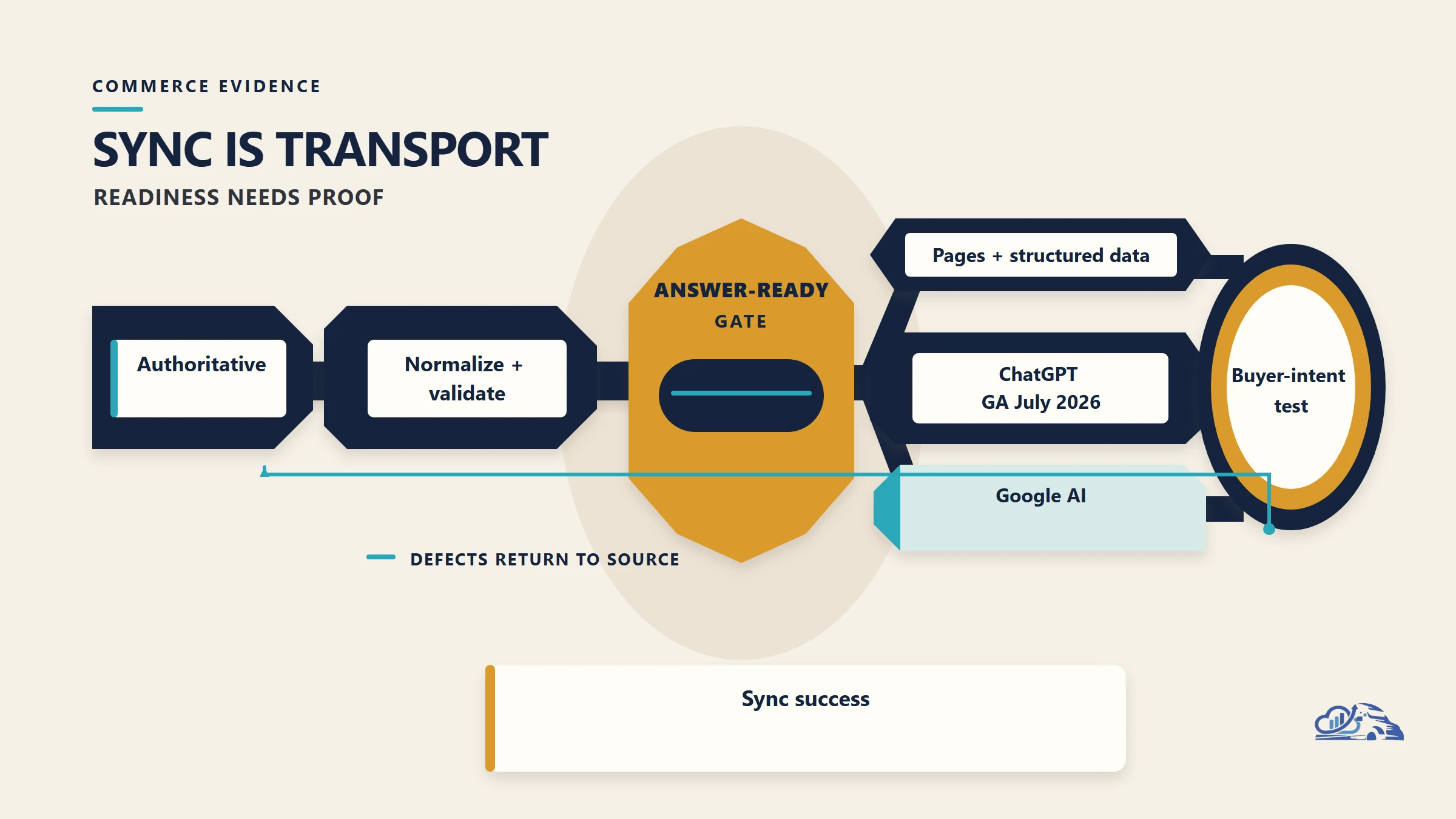
A production GEO measurement stack should turn sampled AI answers into scored signals, reviewed findings, and content updates. The architecture does not need to be complicated, but it does need to be auditable.
A practical workflow diagram for this article would show the process as a loop. It starts with topic and prompt selection, moves into answer collection, applies dimension scoring, routes findings into review, creates content updates, publishes improved assets, then repeats measurement after the new content has been indexed and distributed.
The operating architecture usually has these layers:
- Prompt inventory: category prompts, comparison prompts, problem-aware prompts, and branded prompts.
- Answer capture: stored response text, date, query variant, market, and surface notes.
- Scoring layer: visibility, depth, recommendation, and competitive review.
- Content diagnosis: missing entities, weak product explanation, lack of proof, unclear positioning, or competitor advantage.
- Production workflow: research, draft, edit, illustrate, publish, syndicate, and monitor.
- Reporting layer: trend view, executive summary, content backlog, and risk notes.
This is where Vanaxity's SEO, GEO, and AEO services fit naturally. The agent is not just a writer. It connects research, content generation, illustration, publishing, and syndication so measurement can turn into a production system. A G-Power-style report says where visibility is weak. Vanaxity helps create the answer-ready assets needed to improve it.
Operational details matter. Each additional prompt sample increases review burden, token budget, and reporting complexity. Each manual review gate improves trust but slows the publishing cycle. Each dashboard metric needs a recovery path when data is missing, answer samples conflict, or a model response drifts. Treat cost, latency, observability, and failure recovery as design constraints from the beginning.
How to Use G-Power Thinking in a GEO Workflow
Teams can use G-Power thinking by treating every score as a backlog signal, not a vanity metric. The workflow should move from measurement to diagnosis to publishing action.
A useful runbook looks like this:
| Workflow stage | Operator question | Output |
|---|---|---|
| Select prompts | Which buyer questions should we be visible for? | Prompt set grouped by category, use case, and buying stage |
| Capture answers | What do monitored AI responses say about us and competitors? | Stored answer samples with source notes and review status |
| Score dimensions | Are we present, explained, recommended, and competitive? | Visibility scorecard and dimension-level notes |
| Diagnose gaps | What content, proof, or entity information is missing? | Prioritized content backlog |
| Improve assets | What should we publish or update? | Product pages, comparison pages, guides, FAQs, schema, and visual assets |
| Review results | Did the answer quality improve after updates? | Before-and-after reporting and next actions |
Here is a role-based example. A B2B marketer sees strong organic rankings for a category guide but weak AI-answer presence for decision-stage prompts. In the review, answer samples mention competitors by use case while the brand appears only in branded searches. The fix is not another generic blog post. The content backlog should include use-case pages, comparison sections, concise product explanations, and structured FAQs that answer engines can reuse.
A second hypothetical example shows the depth problem. A bootstrapped software company appears in AI answers for its category, but the response says only that the product "helps teams automate work." Competitors receive more concrete language about integrations, workflows, and reporting. The brand needs better entity clarity: what it does, who it serves, which workflows it supports, what makes it credible, and what proof belongs near the claim.
This is the point of the framework. It helps teams stop asking "Did we show up?" and start asking "Did the answer make us look like the right choice?"
Best Practices and Failure Modes
The best practice is to measure what the answer actually does for the buyer, not just whether the brand name appears. AI search visibility can create false confidence when teams overvalue mentions and undervalue explanation quality.
Use these best practices:
- Separate presence from substance. A bare mention is not the same as a useful recommendation.
- Track competitive context. If a rival receives richer language, your content gap is visible.
- Review sentiment and recommendation framing. Neutral listing language is weaker than decision-support language.
- Build AI-friendly brand assets. Clear product pages, answer-ready FAQs, comparison content, and schema help systems understand the entity.
- Document methodology. Leadership should know what was sampled, when it was reviewed, and how scores were assigned.
- Avoid platform claims without evidence. If a source does not name a specific AI surface, do not imply coverage.
The failure modes are predictable. Teams screenshot a good answer and call it a win. They report mention counts without reading the response. They optimize only for classic SEO while competitors become better understood by answer engines. They publish unsupported statistics or vague claims that create review risk. They chase model quirks instead of strengthening durable content assets.
A stronger approach treats AI visibility as editorial operations. Build content that is factual, structured, cited, and easy to extract. Review answer outputs for accuracy. Track whether the brand is presented with the right category, use case, audience, and differentiators.
Van Data Team can run a scoped Vanaxity content scan that returns a prompt signal map, AI visibility gap review, dashboard gap notes, and an implementation scope. For teams that already publish regularly, this is often the fastest way to find the break between content volume and answer-engine visibility.
Evaluation Criteria for Leadership Reporting
A leadership-ready AI visibility report should prove methodology, show actionable gaps, and connect findings to content operations. A score without evidence will not survive scrutiny from founders, sales leaders, or finance.
Use these evaluation criteria before reporting G-Power-style metrics:
| Evaluation criterion | What good looks like | Risk if ignored |
|---|---|---|
| Prompt relevance | Prompts match real buyer research, comparison, and decision questions | Reports look impressive but fail to match demand |
| Answer evidence | Stored answers show the exact brand and competitor context reviewed | Teams cannot audit or reproduce conclusions |
| Dimension notes | Each score explains presence, depth, recommendation, and competitive context | Leaders cannot tell what action the score implies |
| Content mapping | Every gap points to a page, asset, schema update, or proof requirement | Measurement does not turn into production |
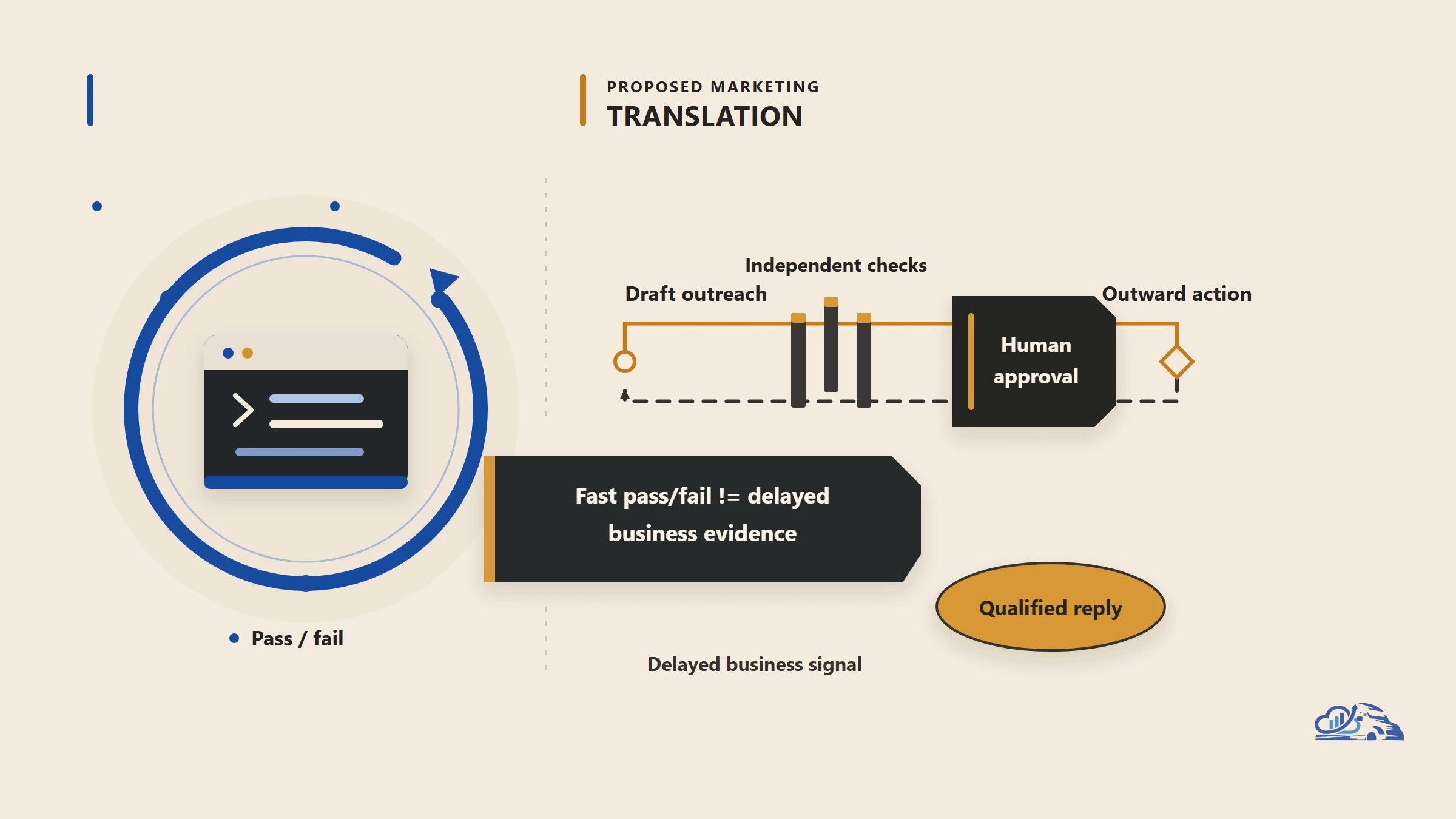
| Review gates | Claims, citations, and sensitive topics get human review | Incorrect or unsupported claims enter the publishing workflow |
| Recovery plan | Missing samples, conflicting answers, and model drift have clear handling rules | Dashboards lose trust when the environment changes |
The offer is straightforward: review Vanaxity's proof and operating model, then run a content scan against the prompts that matter to your category. The output should not be a vague recommendation deck. It should be a signal map, a prioritized content backlog, a dashboard gap review, and a delivery plan for the pages and assets most likely to improve GEO and AEO visibility.
Frequently asked questions
What is XstraStar G-Power?
XstraStar G-Power is a Generative Power framework for measuring brand influence in AI-generated answers. It scores whether a brand appears, how meaningfully it appears, whether the answer recommends it, and how it compares with competitors in the same response.
How does G-Power measure AI search visibility?
G-Power measures AI search visibility through dimension-level scoring rather than simple mention counting. The official model evaluates visibility, depth, recommendation, and competitiveness, which helps teams distinguish a weak mention from a strong buyer-facing answer.
How is G-Power different from keyword ranking?
Keyword ranking measures a page's position in traditional search results. G-Power-style measurement evaluates how a brand is represented inside AI-generated answers, where the buyer may receive a summarized recommendation without scanning classic search results.
Why does depth matter in an AI-generated answer?
Depth matters because a brand can be visible but poorly understood. If an answer names the brand without explaining its category, use cases, proof, or differentiators, the mention may not help the buyer choose it.
How can a brand improve GEO and AEO visibility after an audit?
A brand can improve GEO and AEO visibility by turning audit findings into content updates. Common actions include expanding product explanations, publishing use-case pages, adding comparison content, strengthening proof points, improving FAQs, adding structured data, and syndicating clearer brand assets.
Should founders treat AI visibility scores as a replacement for SEO metrics?
Founders should treat AI visibility scores as an additional reporting layer, not a replacement. Organic rankings, traffic, conversions, and technical SEO still matter. AI visibility metrics explain whether answer engines understand and recommend the brand.