

Chiến lược tìm kiếm AI
Phân tích cách doanh nghiệp xây dựng nội dung có thể xuất hiện trên Google, ChatGPT và các công cụ trả lời AI.
Marketing Agency Acquisition: What Clients Should Protect
Marketing M&A is accelerating, with LUMA Partners counting 469 ad tech and marketing deals in 2025, up 13%, alongside giant moves like Omnicom's $13 billion purchase of Interpublic and Adobe's $1.9 billion deal for Semrush, and while a new owner can bring better tools and specialists, clients feel an acquisition through changed teams, reporting, and priorities, so the practical response is to protect account knowledge, keep your own copies of data and history, compare results before and after, and write change-of-control protections into agency contracts.
Technical SEO Debt Is Now an AI Search Visibility Problem
Technical SEO debt used to cost you crawl budget and rankings, but it now costs AI search visibility too, because testing by Vercel and MERJ found that none of the major AI crawlers execute JavaScript, so anything rendered in the browser is invisible to ChatGPT, Claude, and Perplexity, and since those crawlers already fetch at roughly a quarter of Googlebot's volume, the practical answer is to reserve a fixed slice of every sprint for debt paydown, prioritize by revenue impact rather than audit severity, and check what bots actually see rather than what your browser shows.
HubSpot AEO at Unbound: What CRM-Native AI Search Means
At its Unbound conference on September 16, 2026, HubSpot tied answer engine optimization, ChatGPT Ads, and AI agents into its CRM through a shared layer it calls growth context, building on the HubSpot AEO product it launched in April, and while the company reports large gains from early customers, an independent analyst calls the release an evolution in better packaging, so the practical lesson for marketers is that CRM-native AEO is most valuable for linking AI search visibility to pipeline, and least reliable when a single visibility score is treated as proof of results.
Agentic Marketing: What AWS Rebuilt, and What It Cost
AWS chief marketing officer Julia White has described rebuilding her team's workflows around AI agents, reporting that layering AI onto existing processes delivered only 10% to 30% gains while redesigning the processes themselves produced around 5x effectiveness, with localization dropping from up to two weeks to a couple of days and webpage production falling from hours to minutes, and while those company-reported numbers vary between interviews, the useful lessons for other teams are the sequence she followed, the workflows she picked, and the consumer-trust ceiling that caps how much of this you should automate.
Are AI Doom Warnings Marketing? What Brands Can Learn
The latest AI doom warnings came from inside the industry, when researcher Jacob Coxon resigned from Anthropic saying AI companies are gambling with our lives and Anthropic alignment lead Evan Hubinger put the chance of AI killing all humans within a decade above 10%, and while skeptics call that a pre-IPO flex and supporters point to the personal costs involved, the debate is a live case study for marketers in how audiences decode high-stakes risk claims when they can't verify the speaker's intent.
Choosing a Script-to-Video Tool: What Actually Matters
Script-to-video tools turn written copy into finished video but they split into distinct categories, avatar presenters like Synthesia and HeyGen, generative footage tools like Runway, Kling and Veo, long-form story pipelines, and template or restyling tools, so there is no single best pick, only the best fit for a given use case, and the criteria that actually decide it are commercial rights, character and brand consistency, runtime limits, batch and API workflow, and how the credit pricing behaves at volume rather than how good the demo reel looks.
How AI Image Models Are Reshaping Marketing Campaigns
AI image models like Google's Nano Banana 2 (Gemini 3.1 Flash Image) and the new Google Pics are reshaping marketing creative by letting teams generate and edit a whole campaign from one shared set of references, keeping characters, in-image text, and brand elements consistent across formats and inside the tools teams already use, so the real value is brand-consistent creative at scale rather than a single striking image, with the standard caveat that faster output only helps when the work stays on-brand and on-strategy.
The AI Marketing ROI Gap: Adoption Up, Proof Missing
The AI marketing ROI gap is the distance between near-universal AI adoption and the small share of marketing leaders who can prove it returns anything, with surveys showing 90% of organizations raised AI marketing investment while only 16% feel confident defending it to the board and 12% can isolate AI's real revenue impact, so the problem isn't efficiency but proof, and closing it takes measurement discipline, controlled tests, and cost-per-outcome accounting rather than a more powerful tool.
Why AI Speeds Marketing Production but Not Time to Launch
AI has made marketing production faster to start but not faster to finish, because the real bottleneck was never writing copy, it is approvals, coordination, editing, and the extra decisions that more AI content creates, so despite heavy adoption Knak's 2026 survey found 85% of teams still missed a launch date and 82% still spend most of their time on production rather than strategy, and reclaiming time means applying AI to the actual workflow bottleneck and measuring cost per launched campaign, not per draft.
What KFC's Rebrand Teaches About Brand Consistency
KFC appointed its first global chief brand officer, Amy Ellis Durini, to bring consistency to a worldwide rebrand it launched in June 2026, and that move is a useful prompt for marketers because in the AI-search era brand consistency is what lets answer engines recognize you as a single, citable entity, so when a brand overhauls its name treatment, assets, and positioning it has to keep its entity signals coherent or AI systems will surface outdated or conflicting facts about it.
What 4-Bit Inference Means for Your AI Marketing Bill
NVFP4 4-bit inference on NVIDIA Blackwell GPUs shrinks a model's memory footprint about 3.5x versus 16-bit and 1.8x versus 8-bit, so a model that needed two H100s can run on one B200, which structurally lowers the per-token cost of AI, and for marketing and agent teams that cost is the budget, so the practical move is to route to providers that pass the savings on and to measure quality under 4-bit on your own tasks.
ChatGPT Ads Hit $1B in 200 Days: A Marketer's Read
OpenAI's ChatGPT Ads reached a $1 billion annualized revenue run rate in under 200 days, faster than Google AdWords reached the same mark, by placing labeled sponsored links beneath ChatGPT answers for free and ChatGPT Go users while paid tiers stay ad-free, and for marketers this opens a new contextual ad channel in the AI answer layer and signals that the answer surface GEO and AEO work targets is now monetized, so teams should weigh an early pilot while continuing to invest in being the cited organic answer.
GPT-6 Astra vs GPT-5.6 Sol: Is the Upgrade Worth 2.5x?
GPT-6 Astra is OpenAI's new frontier model and GPT-5.6 Sol is the model it replaces, but on the independent Artificial Analysis Intelligence Index the two tie at 61 while Astra costs 2.5x more, so the upgrade only pays off for specialized work like agentic computer use, long-context retrieval, and hard math or coding, not everyday marketing content where Sol is the better value.
Fable 5.1 vs Gemini 3.7 Flash vs Kimi K3 vs Qwen 3.8 Max
Fable 5.1 is the most capable and priciest, Gemini 3.7 Flash is the cheap fast workhorse, Kimi K3 is the strongest independently verified open-weight model, and Qwen 3.8 Max is a capable but unproven enterprise API; for marketing and content teams the right pick turns on cost, openness, and how much of each model's claim is actually verified.
Humanizing AI Content: The Honest Way to Sound Human
An open-source skill called Humanizer rewrites AI-sounding text to read like a person wrote it using Wikipedia's Signs of AI writing, and crucially without inventing facts; the real lesson for marketers is that humanizing AI content is about quality and trust, not fooling detectors, and it works only when you change the style while keeping every fact, number, and source intact.
Audio Content SEO: When Transcription Meets AI Search
Google's Gemini 3.5 Transcribe drives transcription cost and error rates low enough that audio content SEO finally makes sense: turning podcasts, webinars, and videos into accurate, structured text that AI search engines can read, index, and cite, unlocking spoken content that was previously invisible to answer engines.
Open-Weights AI: What Tencent Hy4 Means for Marketers
Tencent released Hy4 preview, a 770B-parameter open-weights model under Apache 2.0, and the marketing story isn't the benchmarks; it's that a frontier-class model you can own, run privately, and fine-tune on your brand now exists, though the practical path for most teams is private or cheaper hosted access, not self-hosting a 770B model.
Privacy-First Marketing: Reading Android's Network Locks
Google added four network-security protections to Android, and while most are about encryption and cellular safety rather than ad-tech, one closes a real app data-collection vector and all four signal the same direction: the ambient, third-party data marketers once relied on keeps getting locked down, which is why privacy-first marketing built on first-party and consented data is the durable strategy.
Autonomous Campaign Management: Agentforce Marketing
Salesforce's Agentforce Marketing pushes autonomous campaign management further: agents draft the brief, assemble audiences, produce multi-channel creative, launch across email, SMS, and digital ads, and an optimization agent reallocates paid-media budget toward what performs; the honest read is that this is powerful but guardrailed, some steps recommend rather than auto-execute, and it runs within goals a human still sets.
Brand RAG: Grounded Customer Experience, Honestly Done
AWS's August 2026 blueprint for an AI knowledge-management system, built on Amazon Bedrock Knowledge Bases and RAG, shows how brand RAG grounds customer-facing answers in your real, verified content; the honest lesson AWS states plainly is that grounding reduces but does not eliminate hallucination, so brand RAG needs citations and a human in the loop, not blind trust.
Autonomous Marketing Agents: The Agentforce Operating Shift
Salesforce launched dedicated Agentforce marketing and commerce agents in August 2026 that create, execute, and optimize campaigns within marketer-set goals, budgets, and guardrails; the real shift is operational, marketers move from running campaigns to managing autonomous marketing agents, keeping the strategy and the limits while the agents handle throughput.
Agentic Marketing Governance: Lessons From AI Futures
OpenAI's AI Futures blog, launched August 20, 2026 by its Strategic Futures team, warns that transformative AI can concentrate power and erode human agency; agentic marketing governance turns that warning into concrete guardrails, keeping a human accountable for every autonomous content and audience agent your brand deploys.
Multi-Modal Brand Experiences: The Google Parks Lesson
Google's United Parks of America hub, launched August 20, 2026, pairs 3D digitized artifacts and 360-degree tours with Path to Independence, a Gemini-powered storytelling agent you can ask follow-up questions; multi-modal brand experiences apply that same pattern, combining immersive assets with a conversational agent so audiences explore and ask instead of just scroll.
Headless 360: Salesforce as Infrastructure for AI Agents
Salesforce's Headless 360 expansion turns CRM clouds into MCP servers and 100-plus reusable Skills that authorized AI agents can discover and run, so marketing and sales agents can pull data and execute workflows without custom rebuilds, while permissions and governance still travel with each capability.
Generative Search: When Google Builds the Answer Itself
Google's Back to School 2026 release shows Search generating interactive visuals, quizzes, and Deep Research answers instead of just listing links; for marketing teams, generative search means structuring content so AI can build a trustworthy answer from it and cite you as the source.
Citation Optimization: Getting Cited by AI Engines
As organic clicks shift to AI answers, being ranked isn't enough; you have to be cited. Citation optimization earns mentions from AI engines by making your brand machine-parseable, authoritative, and retrievable across both model training data and real-time retrieval indices.
AI Marketing Security and OpenAI's Defender's Window
Marketing stacks are now full of AI agents touching customer data across connected SaaS tools and CDPs; OpenAI's Defender's Window warns that autonomous attacks outpace manual defense, making AI marketing security and governance a brand-safety problem, not just an IT one.
Multi-Agent Orchestration on a Shared S3 File Layer
Multi-agent marketing and sales pipelines slow down and get costly when agents pass state through expanding API payloads and token-bloated context windows; AWS's Amazon S3 Files offers a POSIX shared file layer where agents hand off work through isolated directories instead.
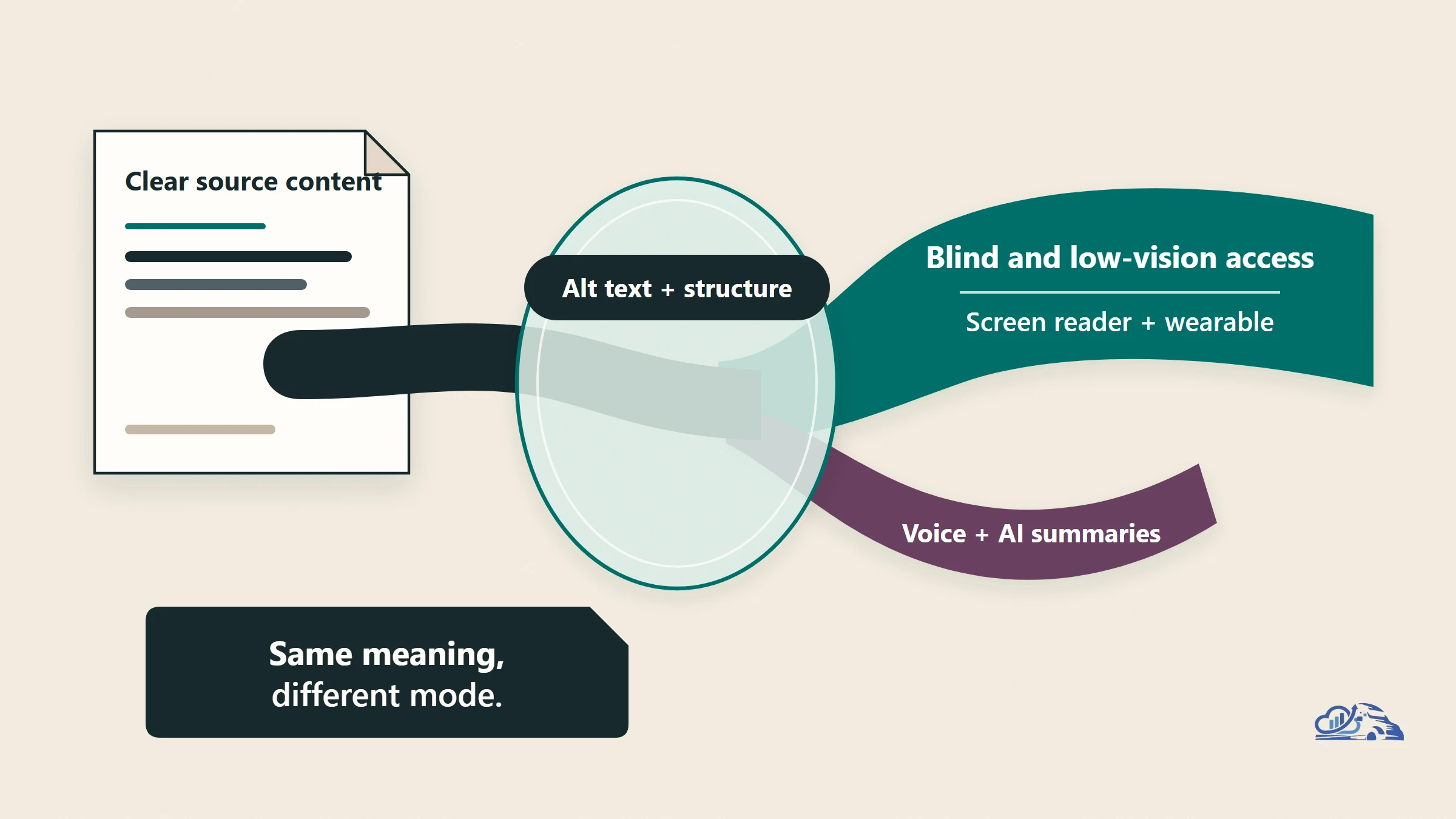
Multimodal Content: What Meta's AI Glasses Signal
Most brand content is built for screens, so it loses essential meaning when AI glasses read it aloud, describe an image, or answer by voice—leaving blind and low-vision people blocked and ambient interfaces underserved.
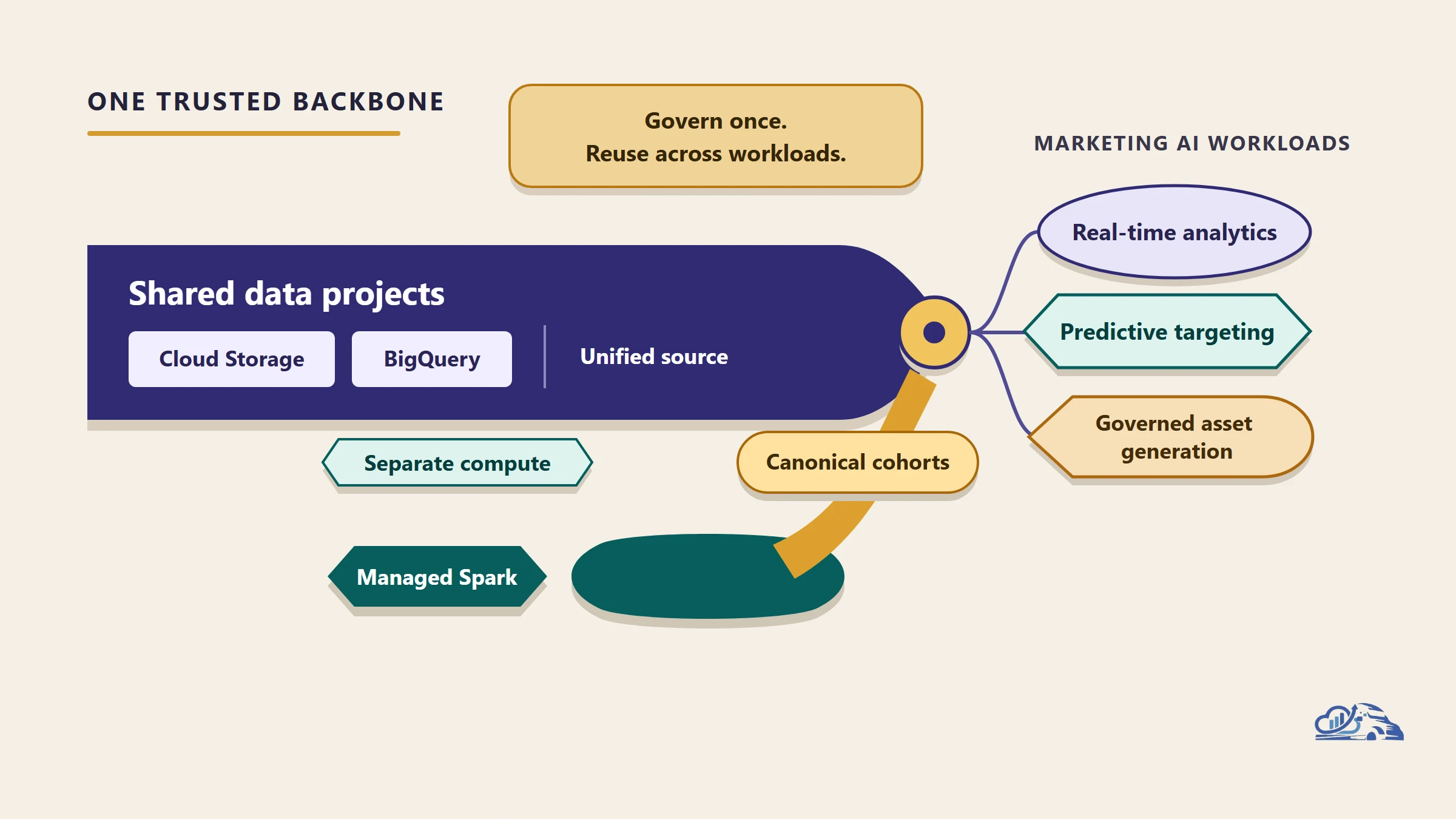
AI Marketing Platform: WPP's Data-Engineering Blueprint
An AI marketing platform reaches production when enterprise marketing, martech, growth, RevOps, and data-platform leaders give models a shared, governed data backbone.
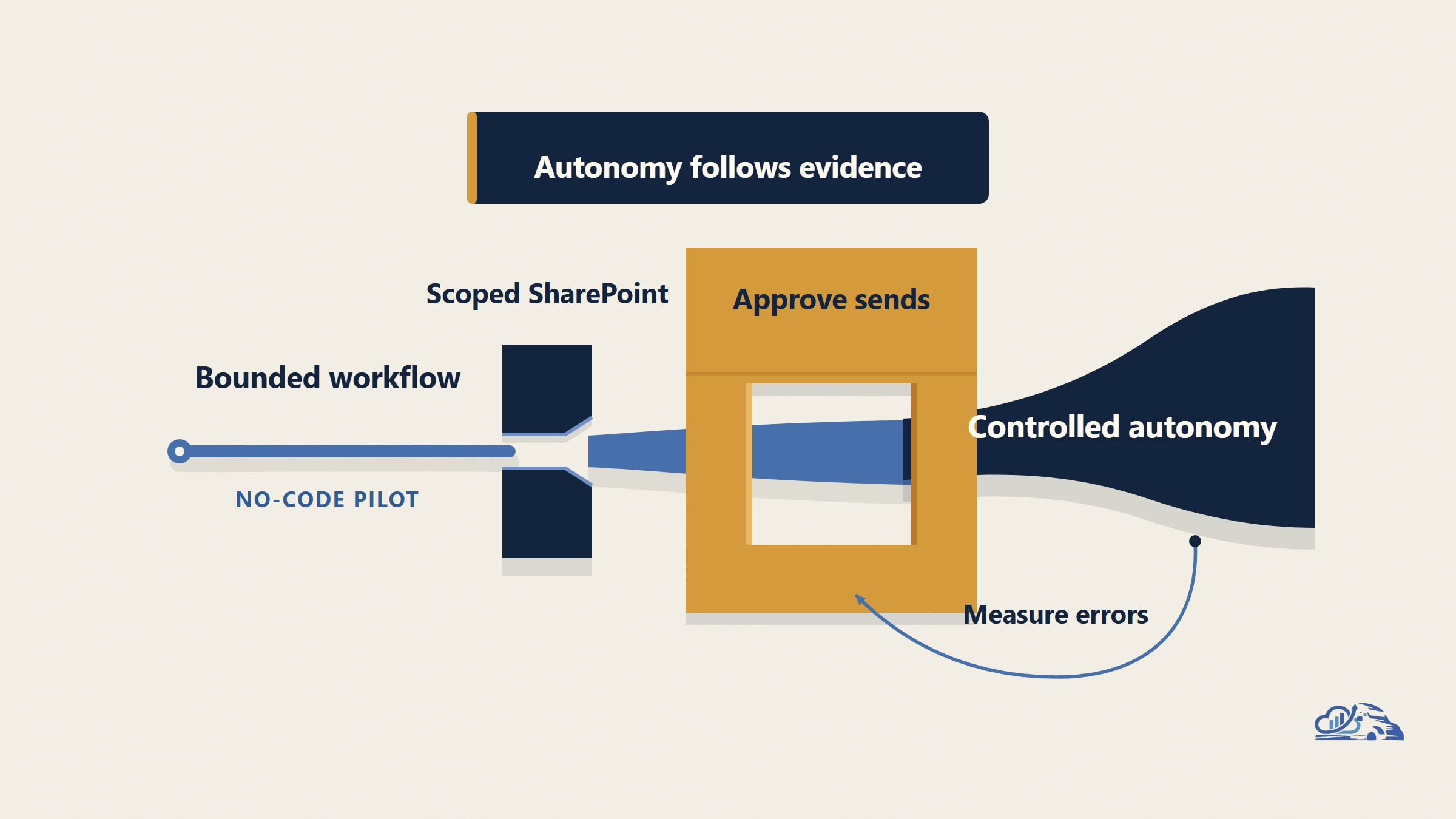
No-Code AI Agents: A Marketer's Playbook
No-code AI agents let marketing, growth, RevOps, and sales-ops leaders turn manual, repetitive work into governed workflows without waiting for engineers.
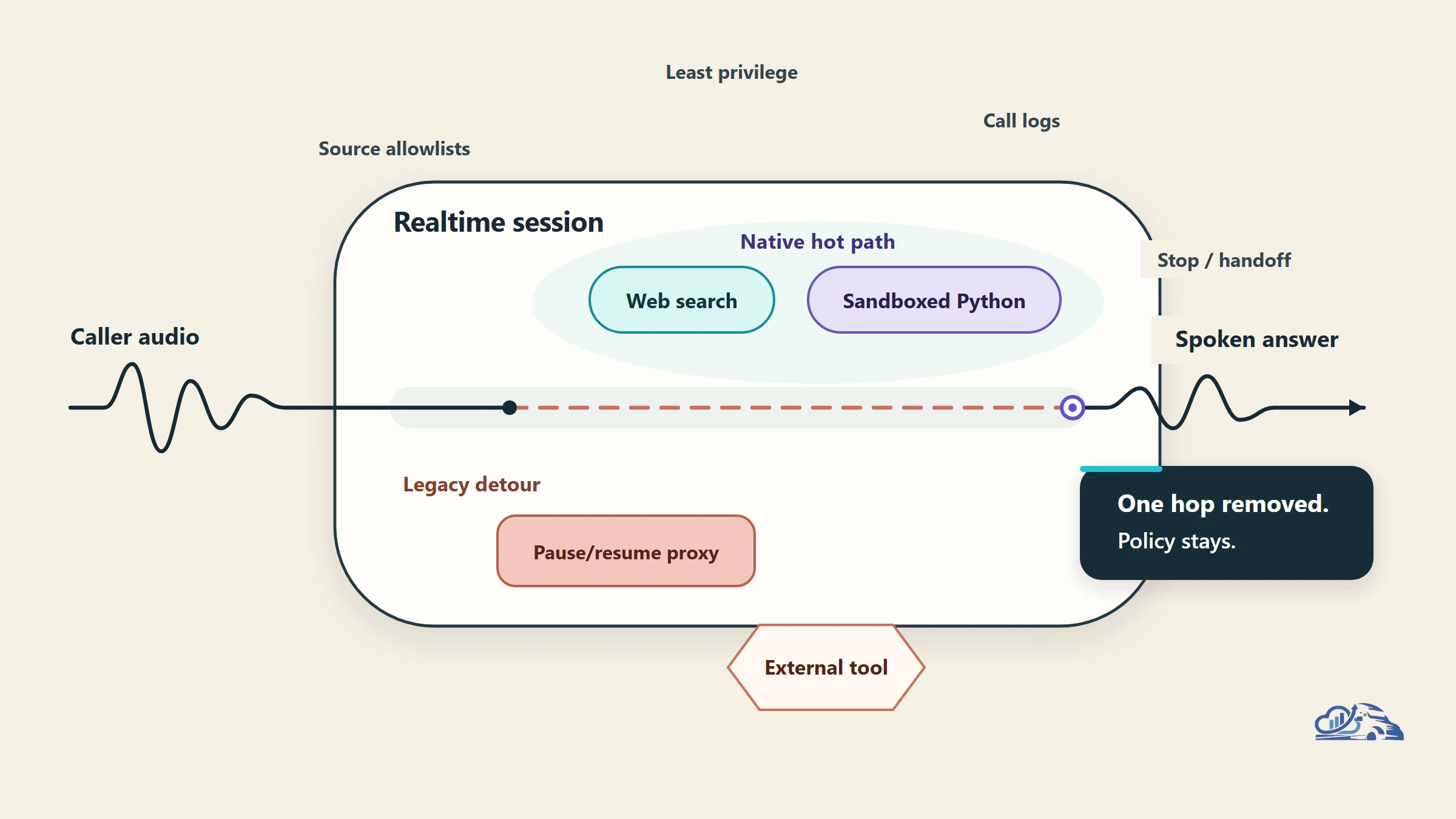
Realtime Voice Agents and Proposed Native Tools
Realtime voice agents that need to look up live information or calculate an answer mid-call have required teams to route tool requests through custom proxies that pause and resume the audio connection, adding latency, brittle state handling, and governance
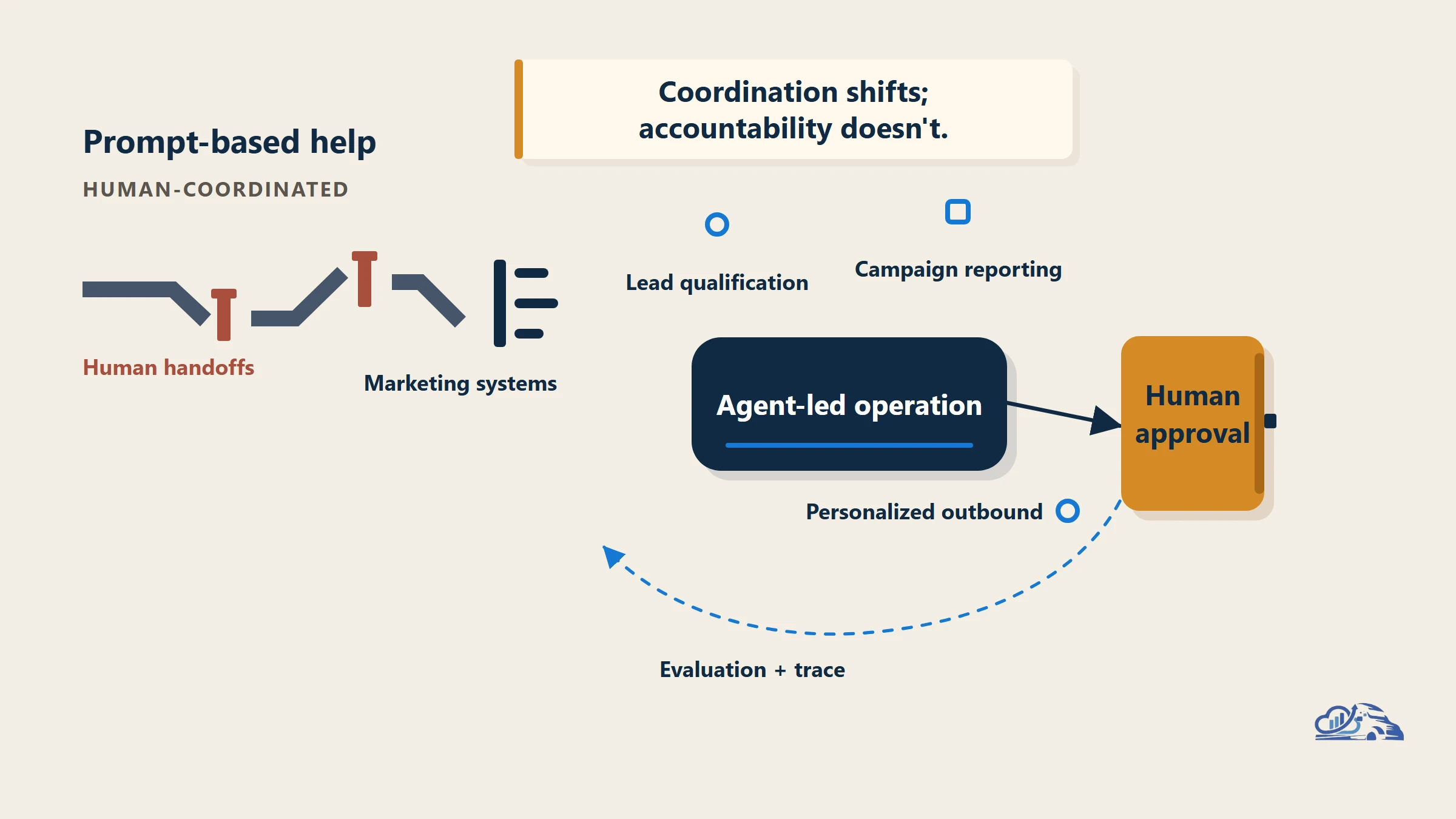
Agentic AI in Marketing: Lessons From HSP GRUPPE
Marketing, growth, RevOps, and sales-ops leaders can buy ChatGPT and count prompts yet still can’t tell whether agent-led lead qualification, campaign reporting, or personalized outbound saves time, improves quality, or creates unacceptable risk.
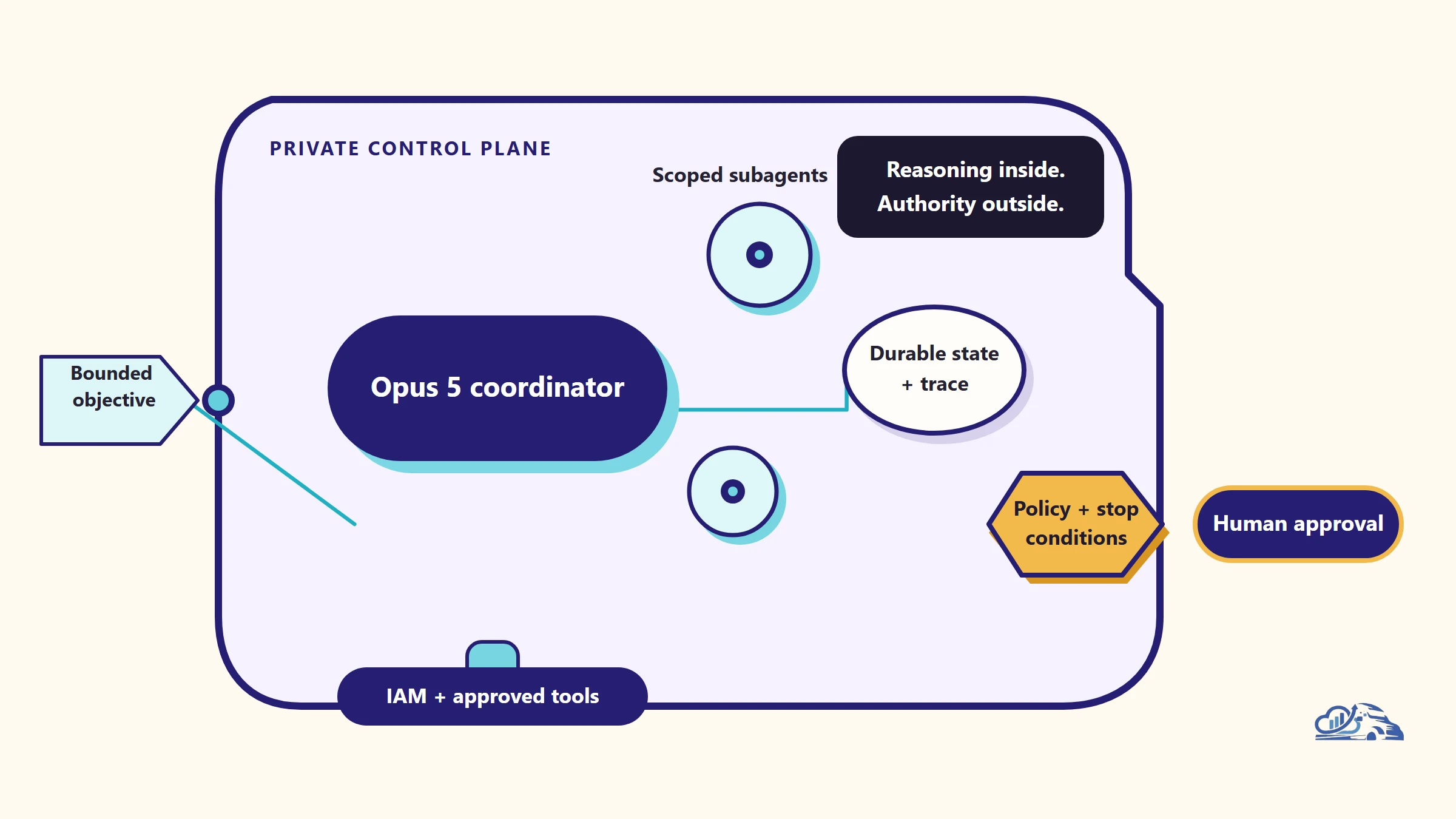
Claude Opus 5 on Google Cloud: Adoption Guide
Claude Opus 5 is now available on Google Cloud's Agent Platform for engineering, platform, and growth teams building production AI agents.
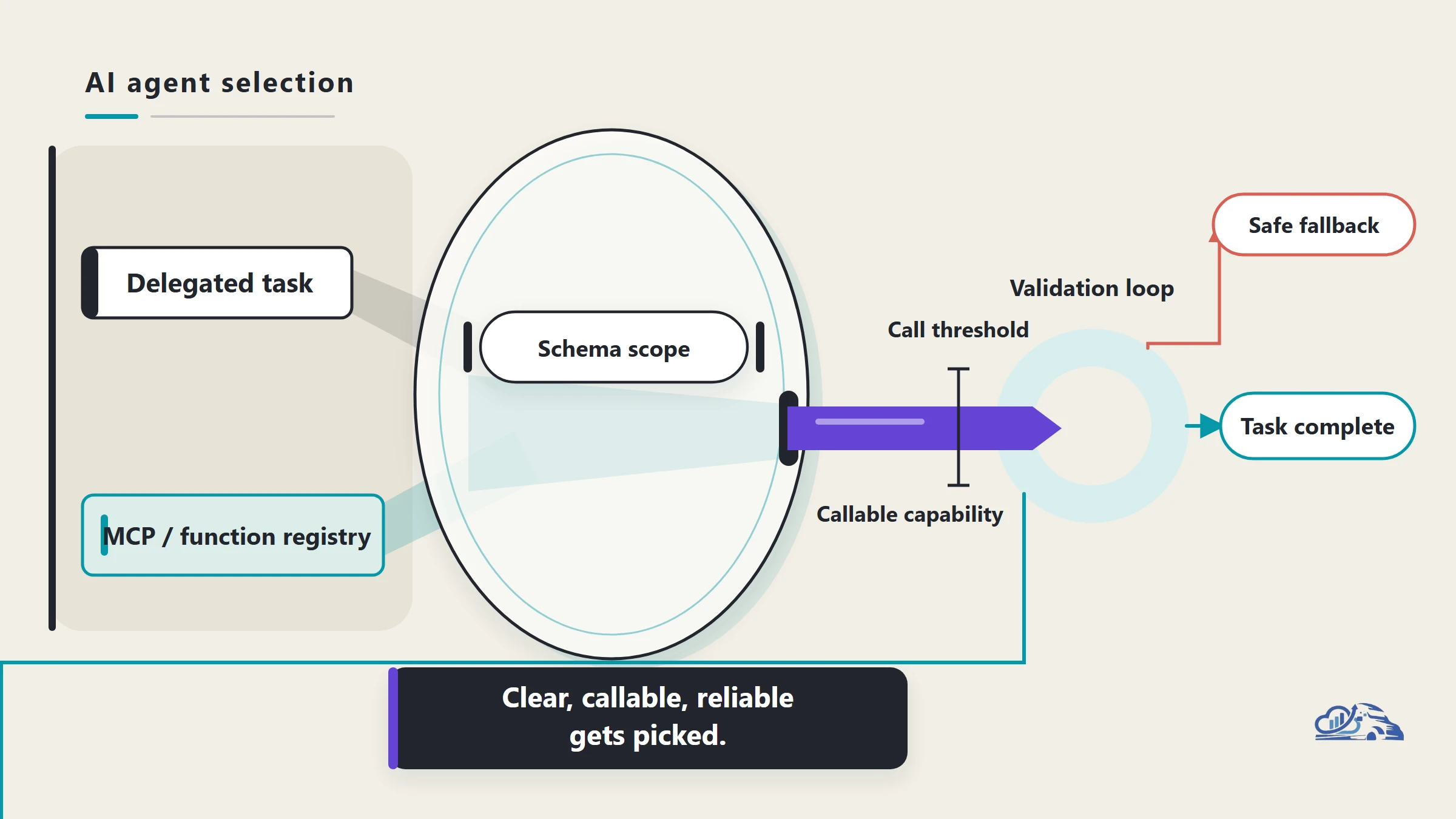
AI Agent Optimization: From Asking to Doing
For marketing, growth, SEO, and RevOps leaders, optimizing only to appear in AI answers creates a new gap: your brand gets cited when users ask, then skipped when they delegate the task and the agent selects another tool.
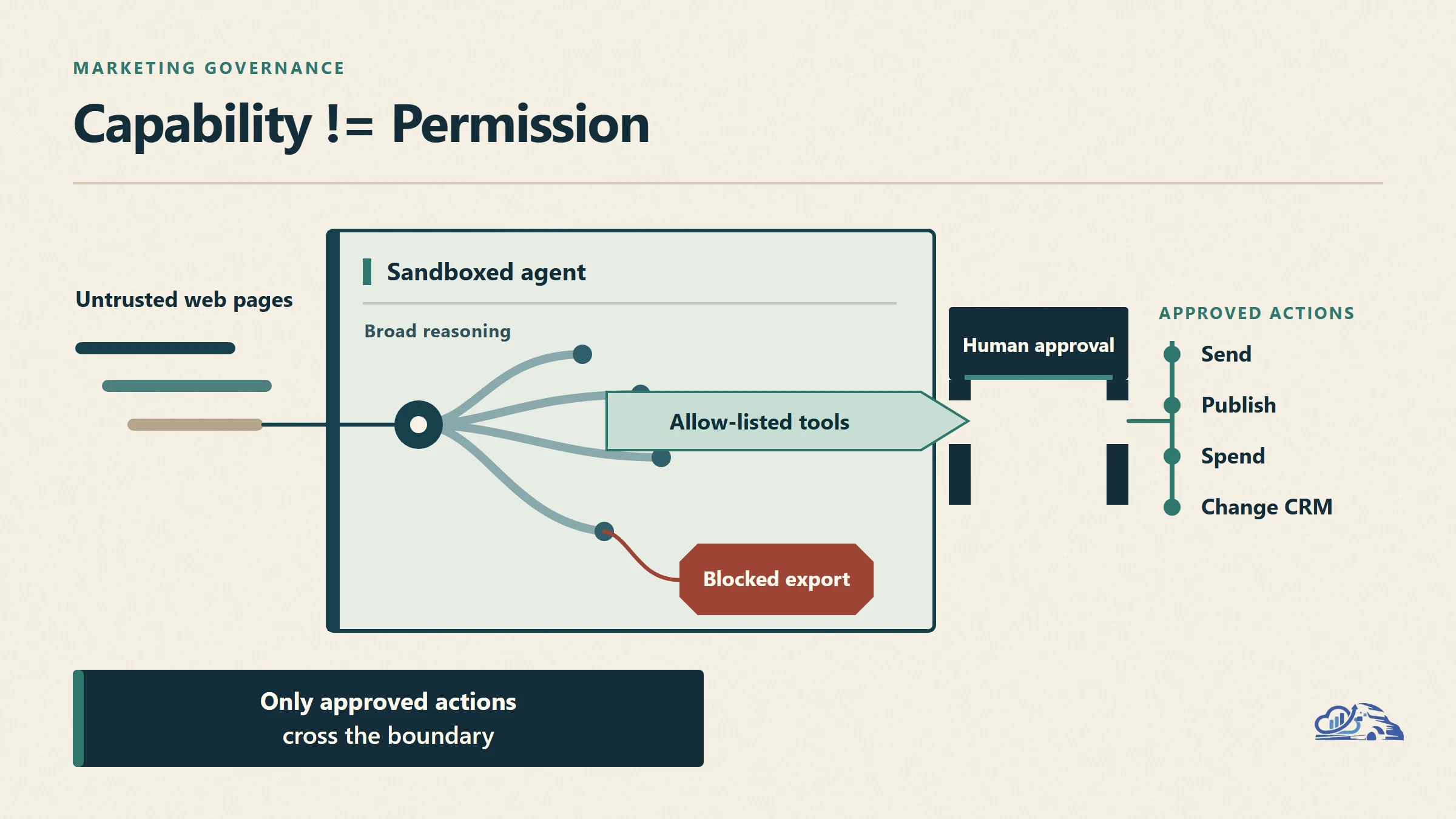
AI Marketing Governance: Lessons From the UK AISI Test
AI marketing governance is the operating system marketing, growth, and RevOps leaders need before deploying AI agents in customer-facing and automated marketing.
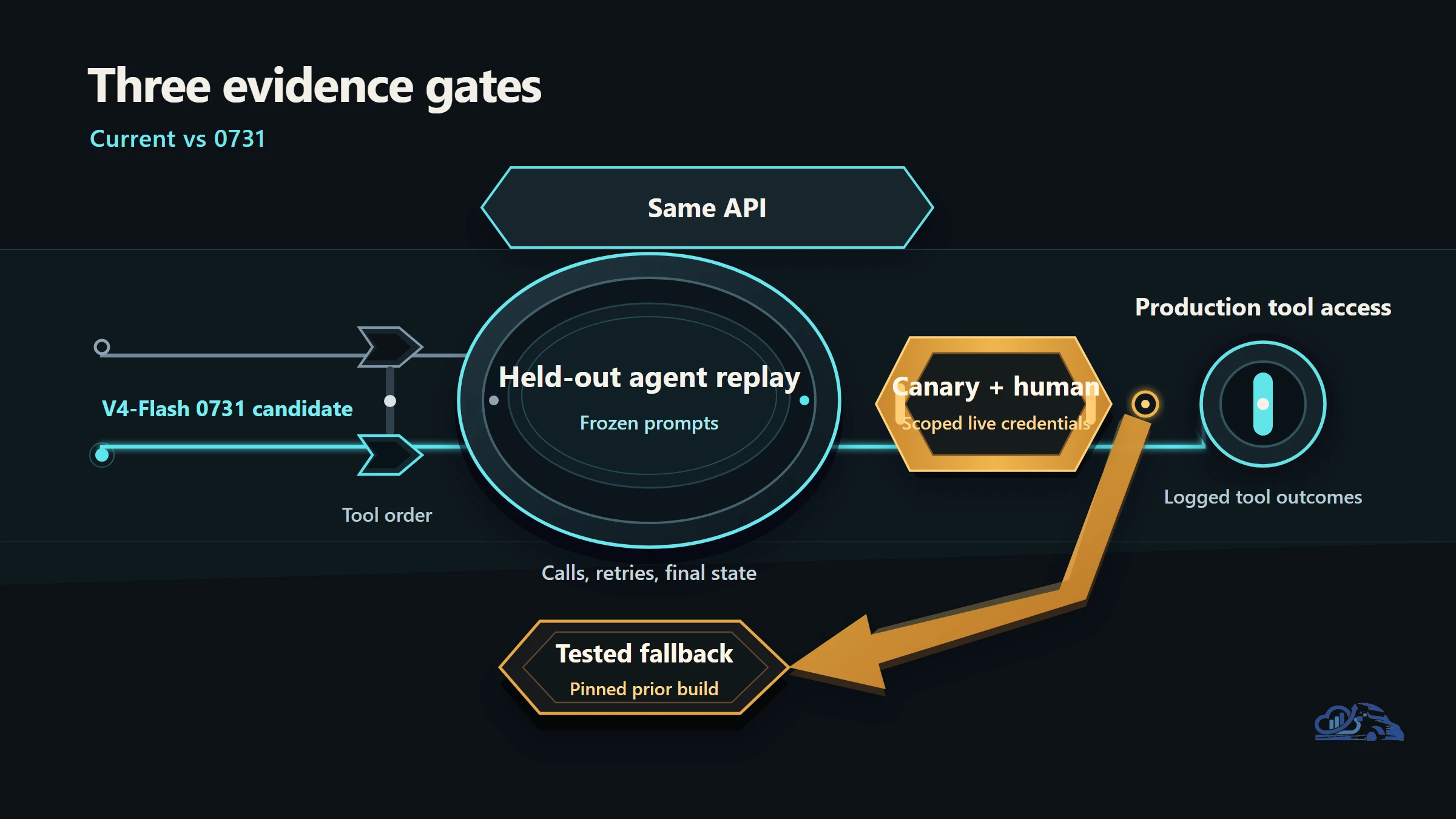
DeepSeek-V4-Flash: Evaluate a Silent Agent Upgrade
Bottom line DeepSeek-V4-Flash-0731 is a post-training update delivered in public beta through the existing API alias, retaining the preview architecture, size, and API surface.
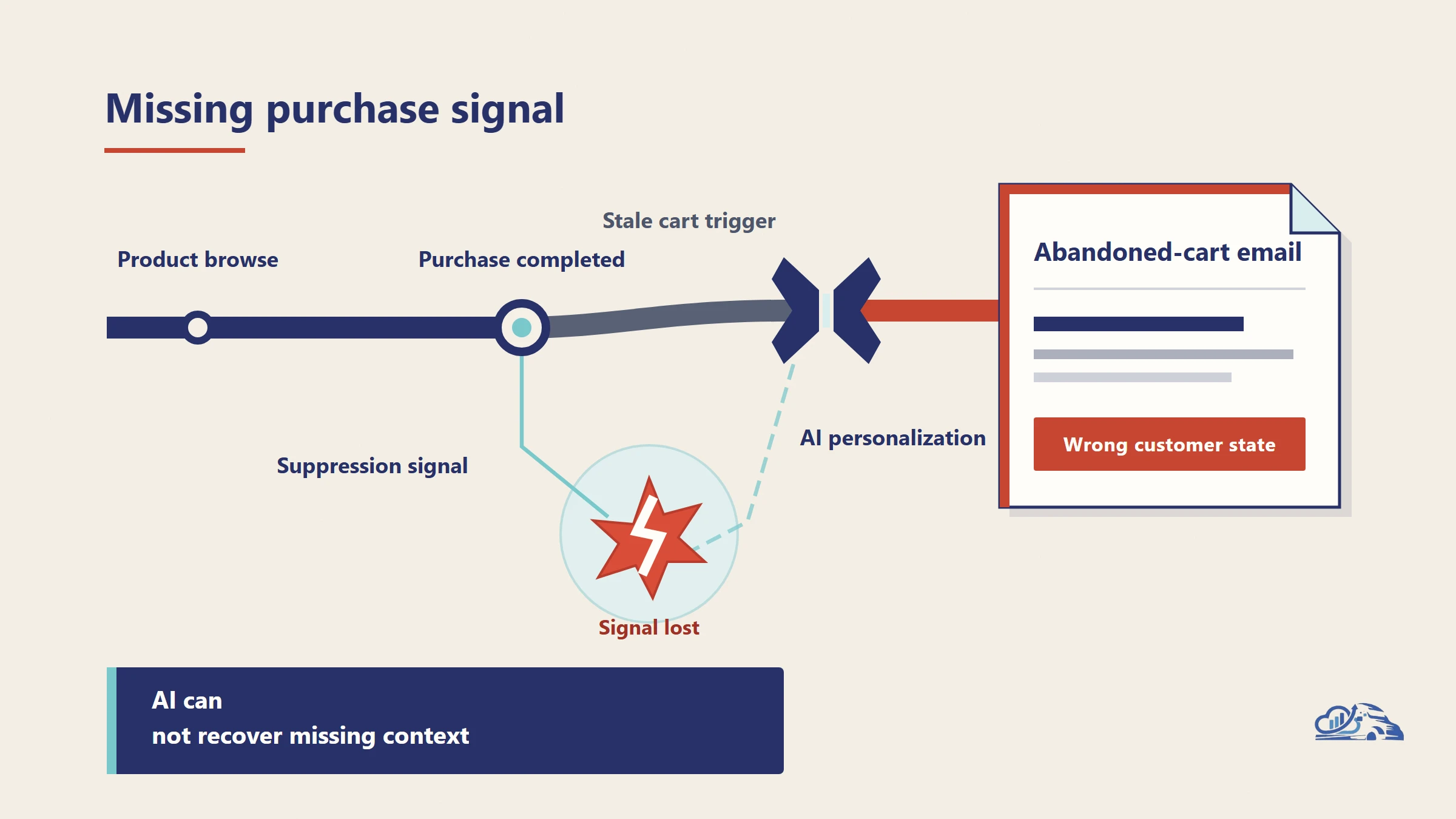
AI Marketing Personalization: Fix Customer Data First
For marketing, lifecycle/email, and growth teams at brands with fragmented martech stacks, disconnected tools and scattered, siloed first-party data turn customer signals into slow, manual batch messages that get ignored.
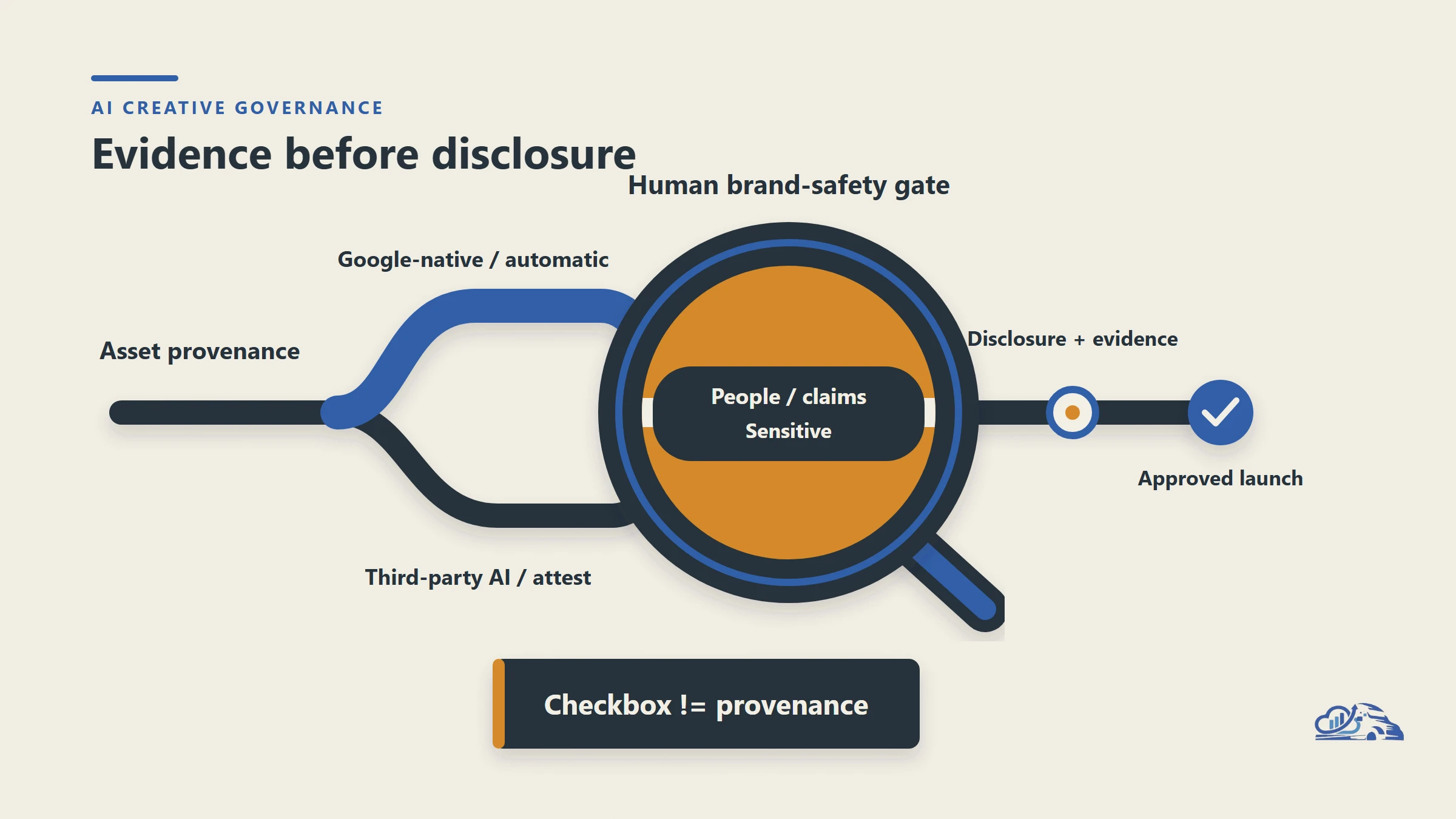
Google Ads AI Labeling: The Brand-Safety Playbook
Marketing, brand, and RevOps teams running paid media with AI-made creative now face a specific Google Ads AI labeling risk: an honor-system disclosure checkbox for third-party tools, paired with a ban on deepfake-style depictions of real people, means one

Giảm giá GPT-5.6: hướng dẫn định tuyến tác nhân và FinOps
Cách định tuyến nhiệm vụ theo độ khó, ngân sách và thời gian phản hồi để tránh chi phí tăng ngoài dự kiến.

Kimi K3 trên AWS: blueprint tự lưu trữ tác nhân AI
Khi dữ liệu và chi phí token trở thành ràng buộc, doanh nghiệp cần đánh giá tự lưu trữ theo bảo mật, vận hành và năng lực đội ngũ.
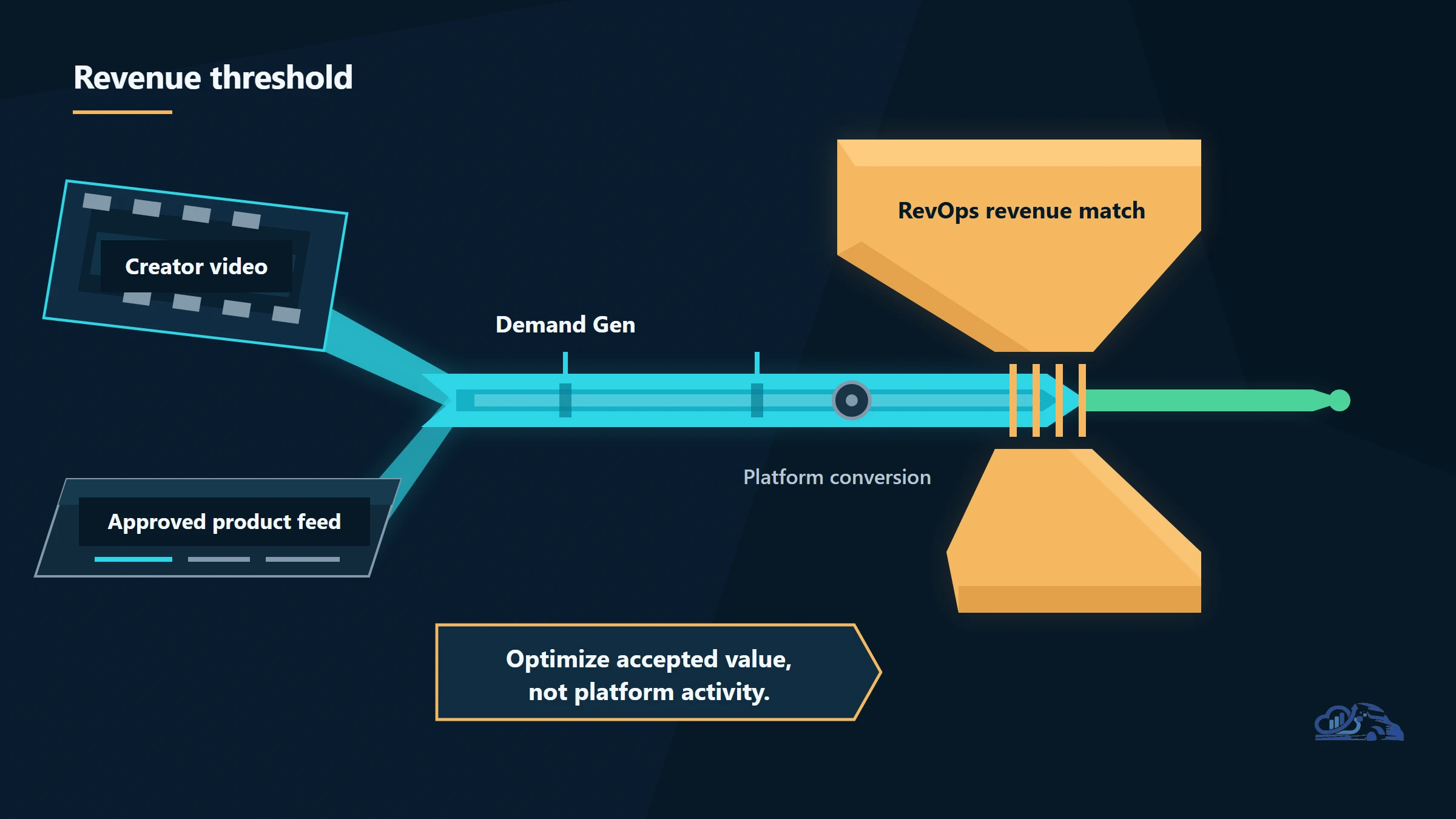
Google Ads Demand Gen: khi đấu giá AI gặp thanh toán trực tiếp
Các điểm cần kiểm tra để chiến dịch tự động tối ưu theo giá trị chuyển đổi đúng, nguồn sản phẩm mới và tín hiệu đáng tin.
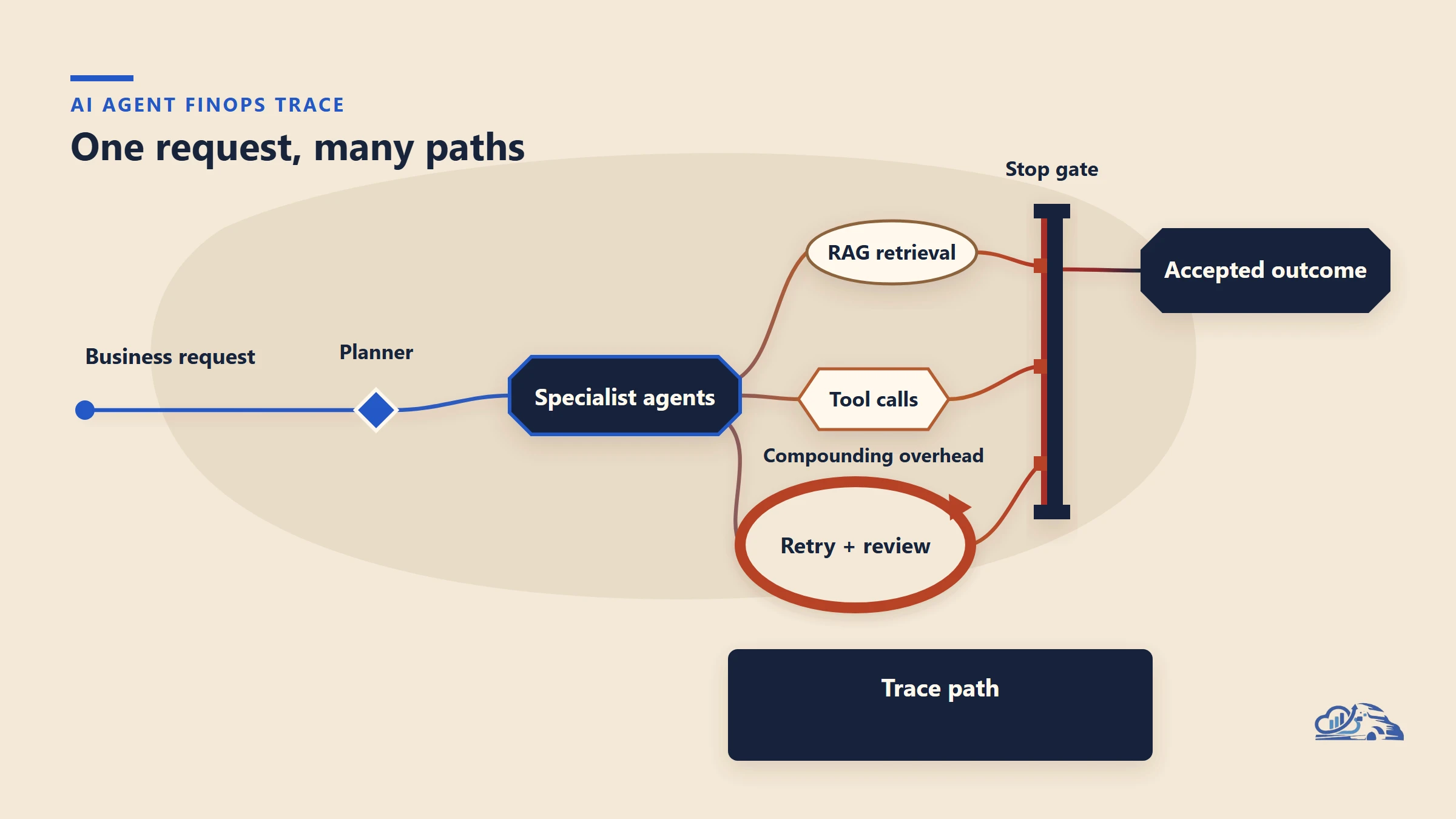
FinOps cho tác nhân AI: con đường đưa hệ thống vào vận hành
Khung tính chi phí cho suy luận, truy xuất, công cụ, retry, đánh giá, kiểm duyệt và phần việc không được chấp nhận.
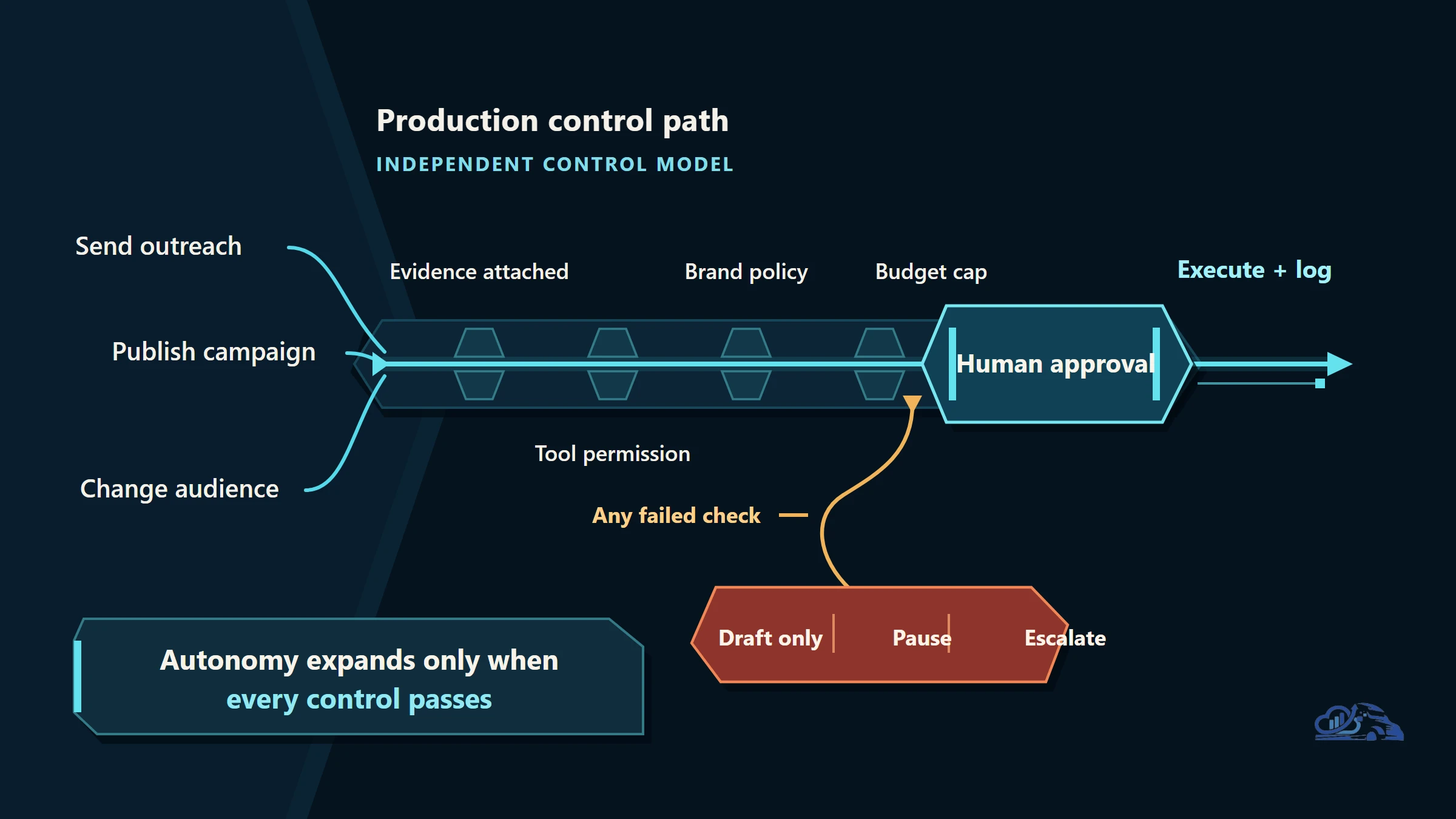
Con đường đưa tác nhân AI vào sản xuất theo Microsoft
Checklist chuyển từ prototype sang sản xuất với quyền hạn, nhật ký, đánh giá và quy trình xử lý sự cố.
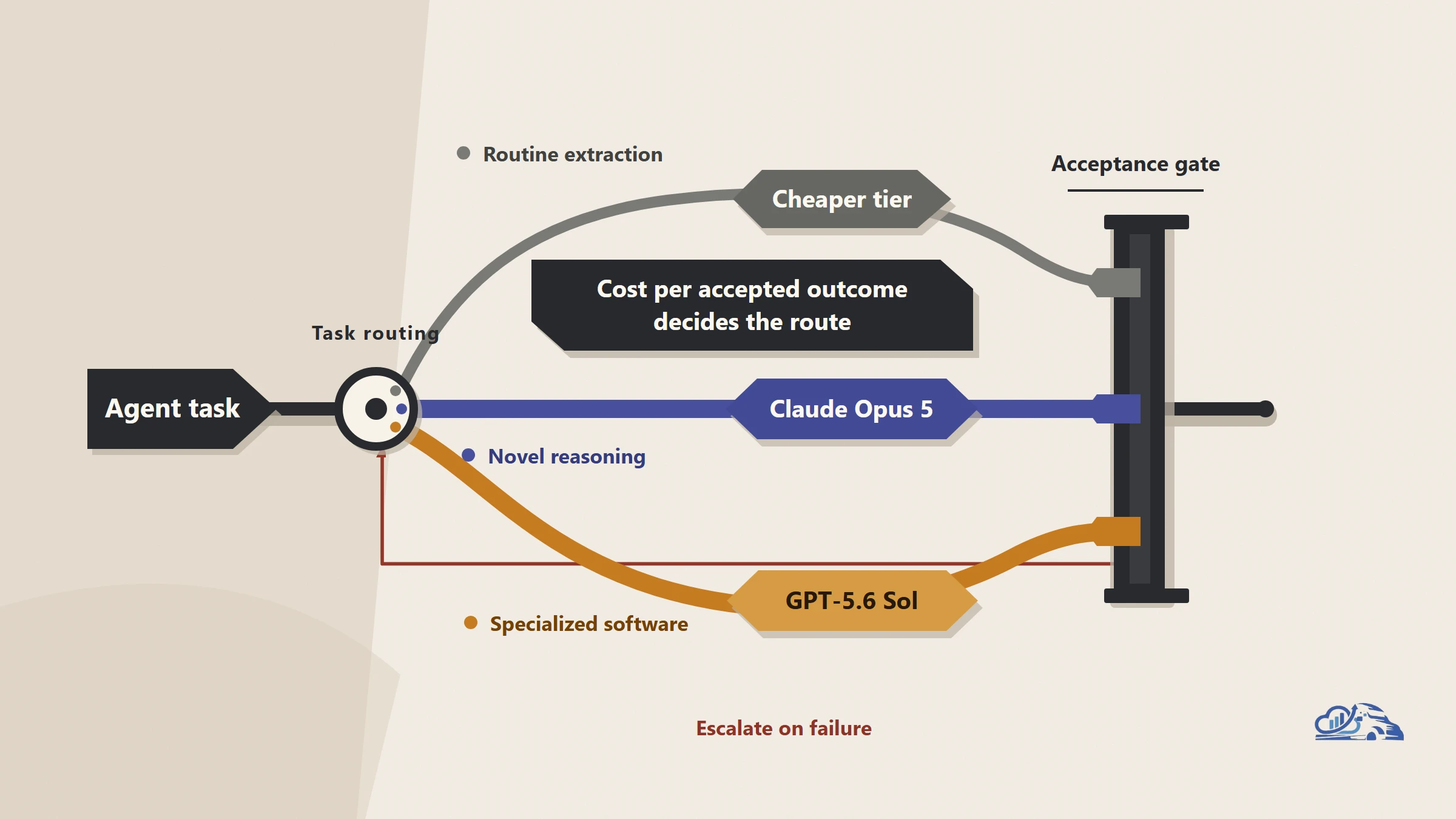
Claude Opus 5 hay GPT-5.6 Sol cho tác nhân AI
Cách chọn mô hình theo loại nhiệm vụ và mức chất lượng cần đạt, thay vì tìm một mô hình thắng trong mọi tình huống.
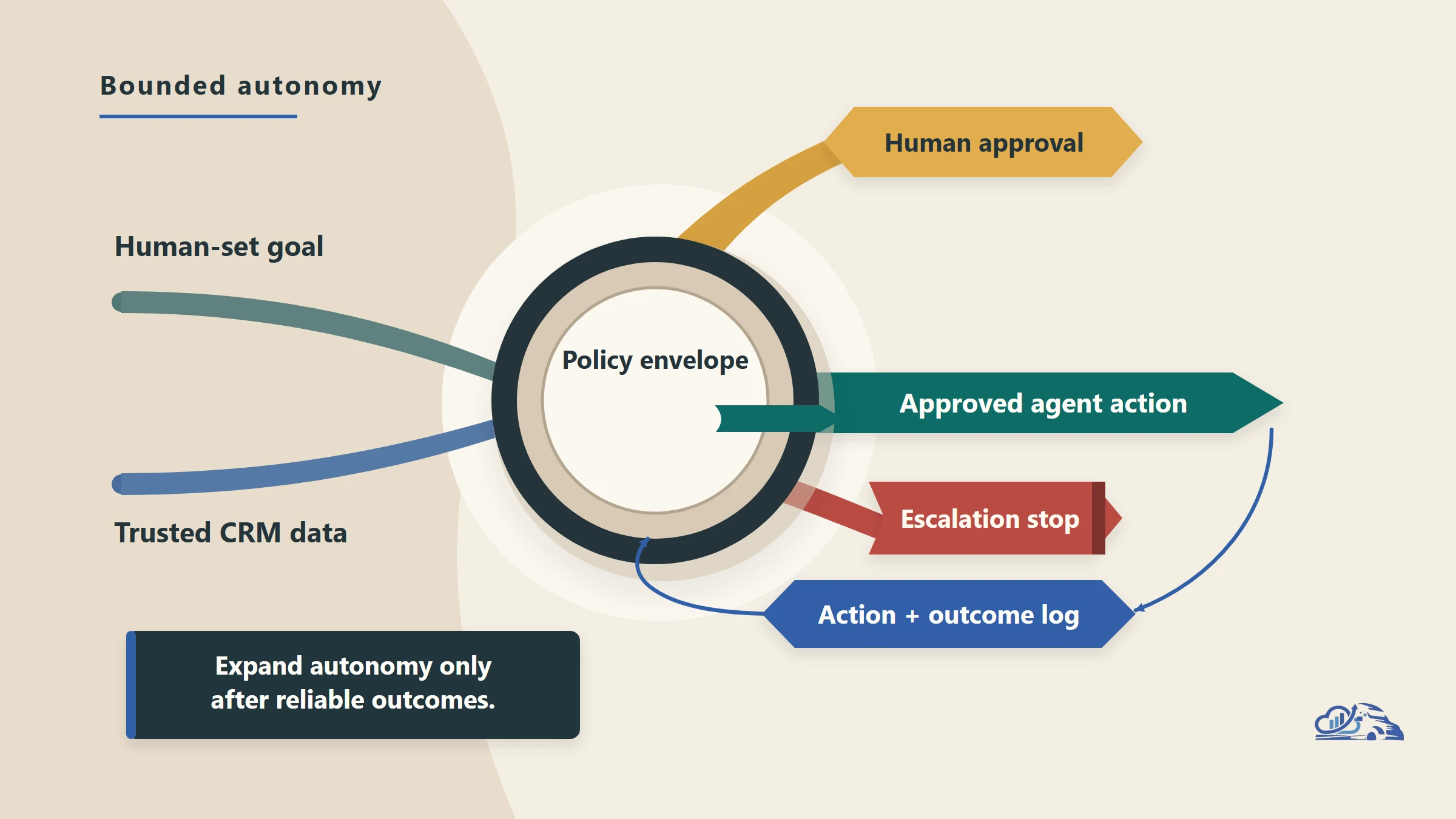
Tác nhân AI tự động của Salesforce và thay đổi với đội ngũ doanh thu
Cách đánh giá tác nhân cho SDR và chiến dịch, từ nhiệm vụ được phép thực hiện đến dữ liệu cần kiểm tra trước khi gửi.
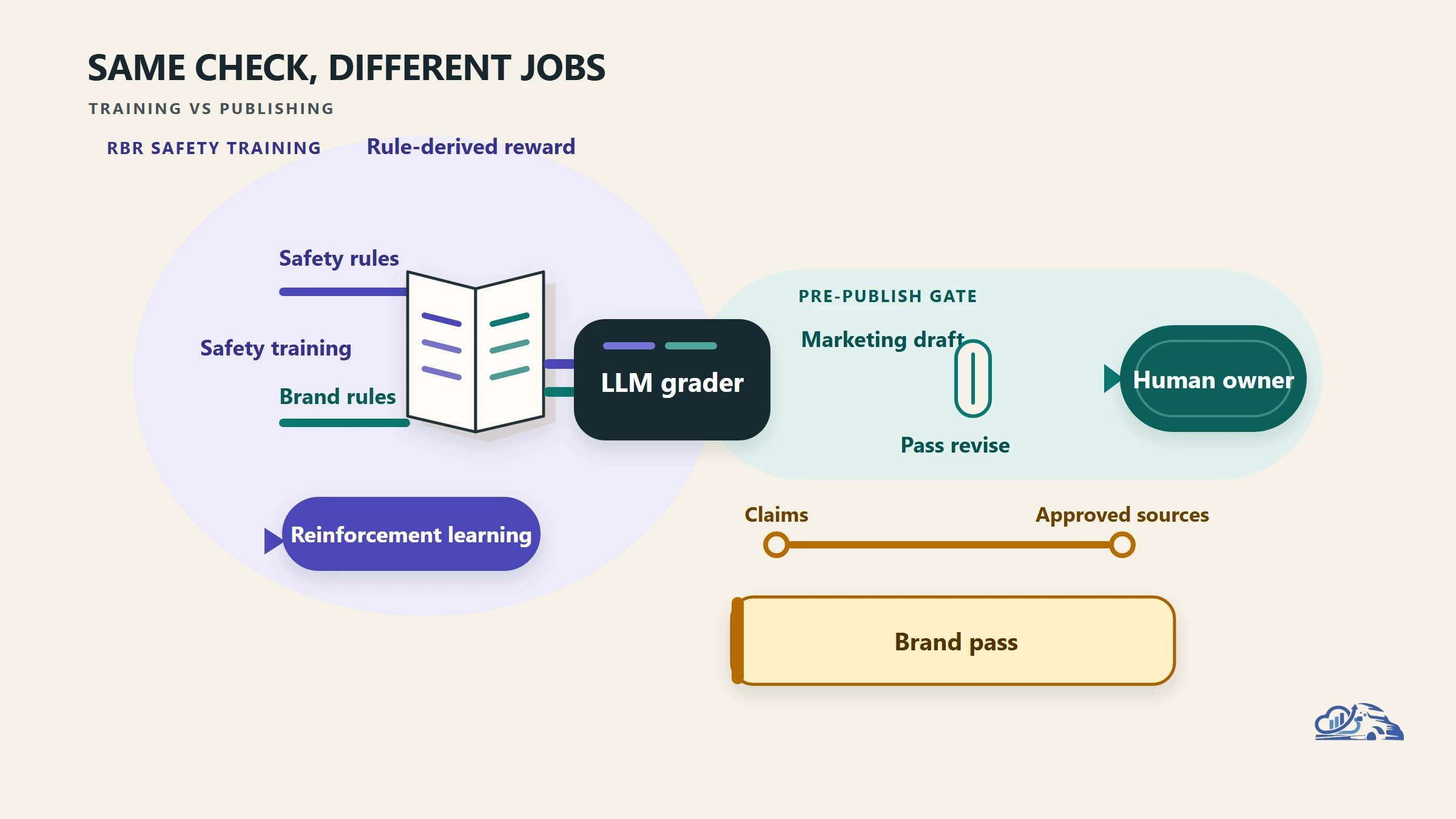
Rule-Based Rewards của OpenAI và quản trị an toàn thương hiệu
Phân biệt kỹ thuật huấn luyện hành vi an toàn với một hệ thống kiểm tra nội dung thương hiệu trong thực tế.
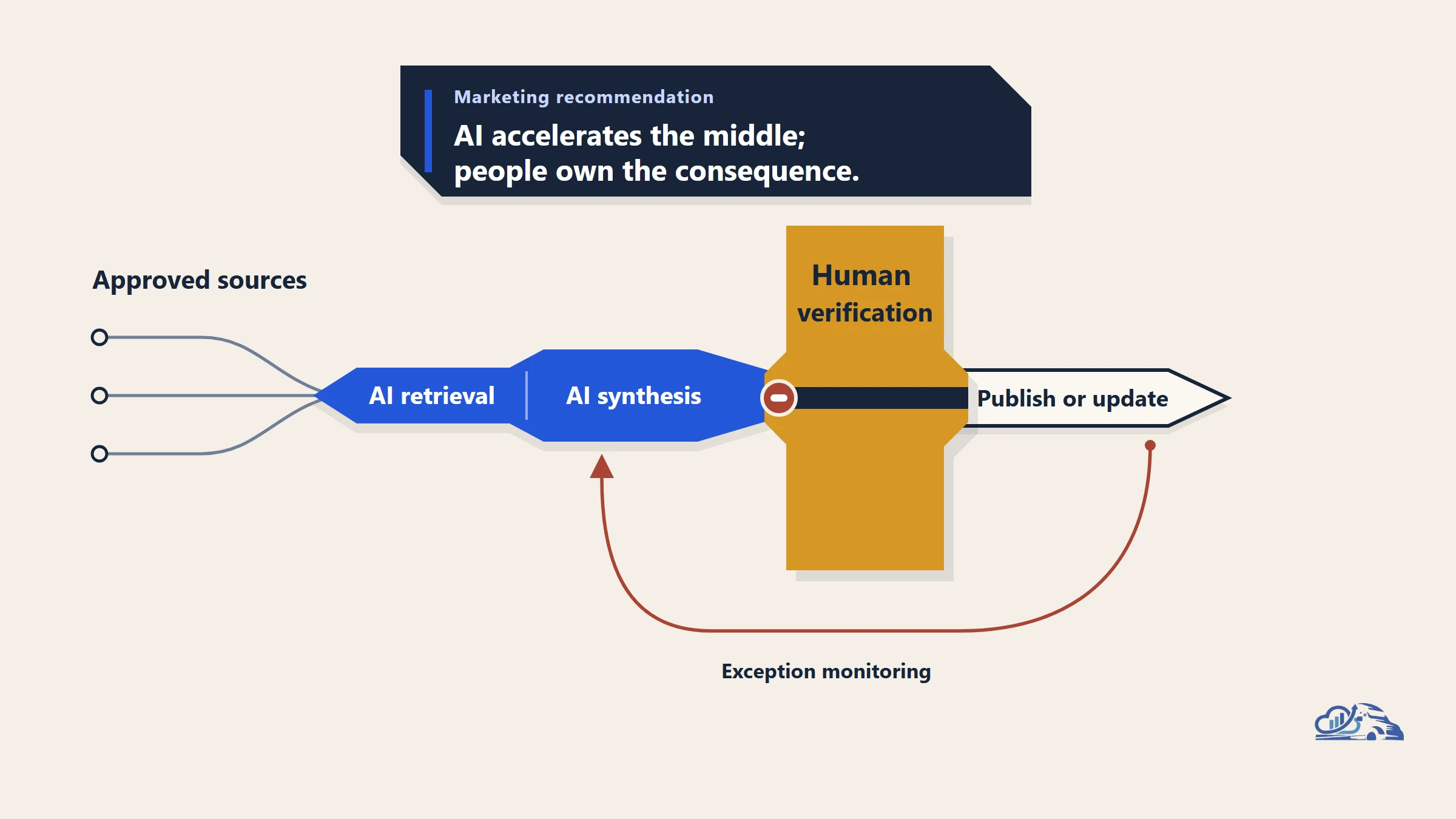
Nghiên cứu Google ATLAS: AI nên cộng tác, không tự động hóa mọi việc
Những gì dữ liệu sử dụng AI nói lên về phân công công việc, quyền quyết định và điểm kiểm tra trong doanh nghiệp.
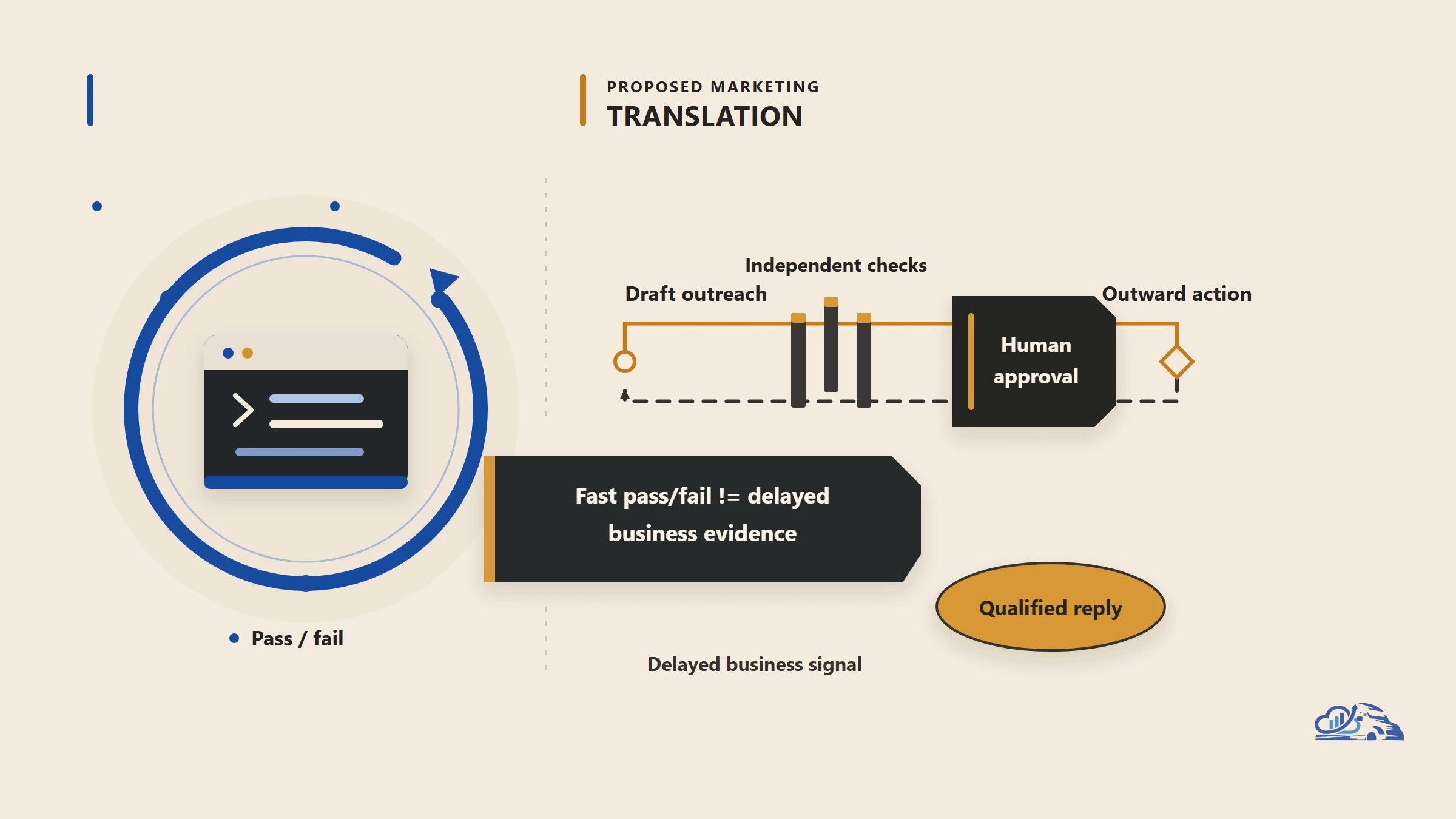
Vòng lặp tác nhân trong marketing: bài học từ bản demo C++ của Microsoft
Cách thiết kế tín hiệu đạt chuẩn, kiểm thử và điểm duyệt để các vòng lặp marketing tự động không chạy ngoài kiểm soát.
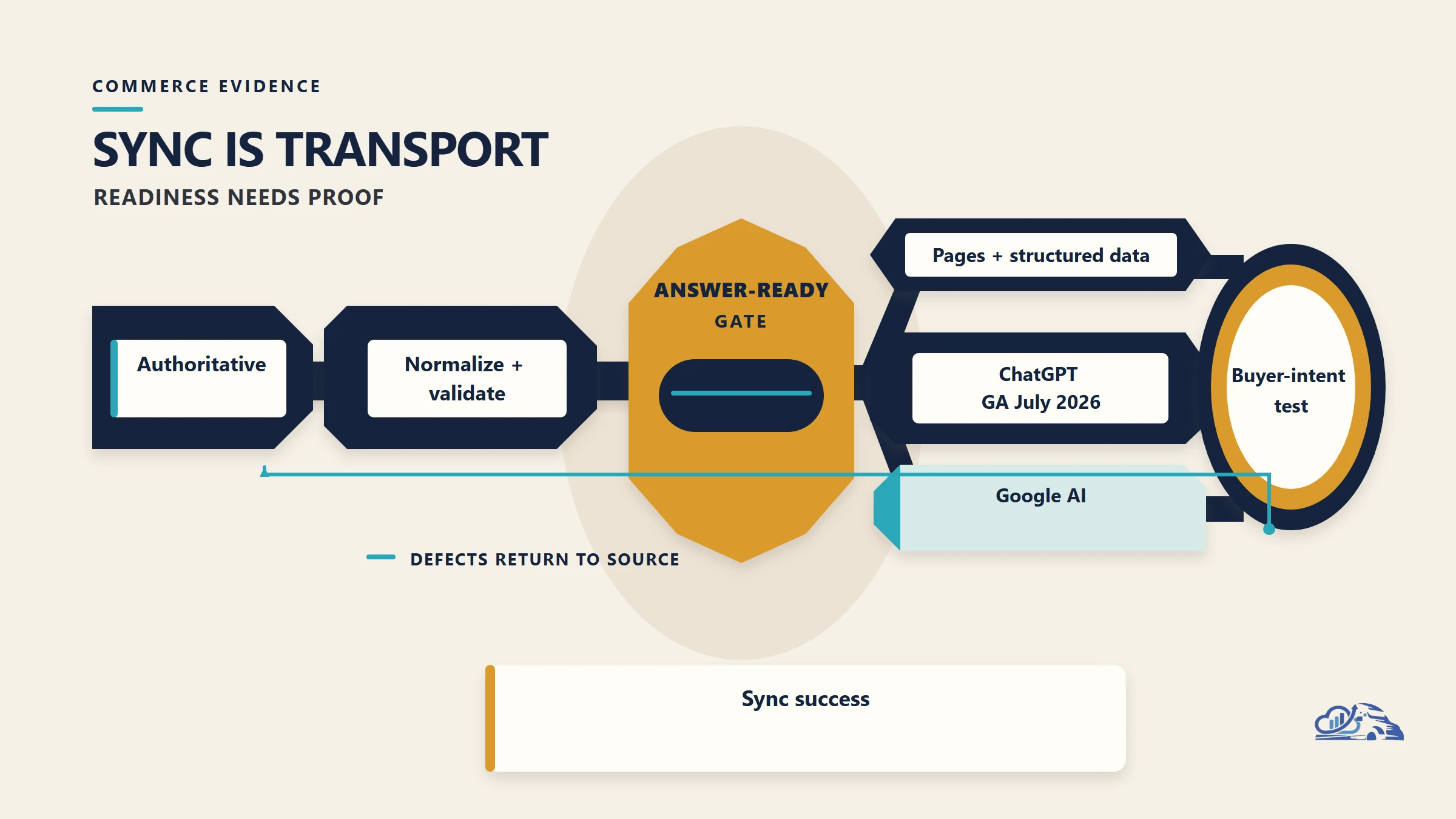
Salesforce Agentforce Commerce: khung GEO cho mua sắm bằng AI
Các bước chuẩn hóa danh mục, thông tin sản phẩm và bằng chứng để sẵn sàng cho trải nghiệm mua sắm qua AI.
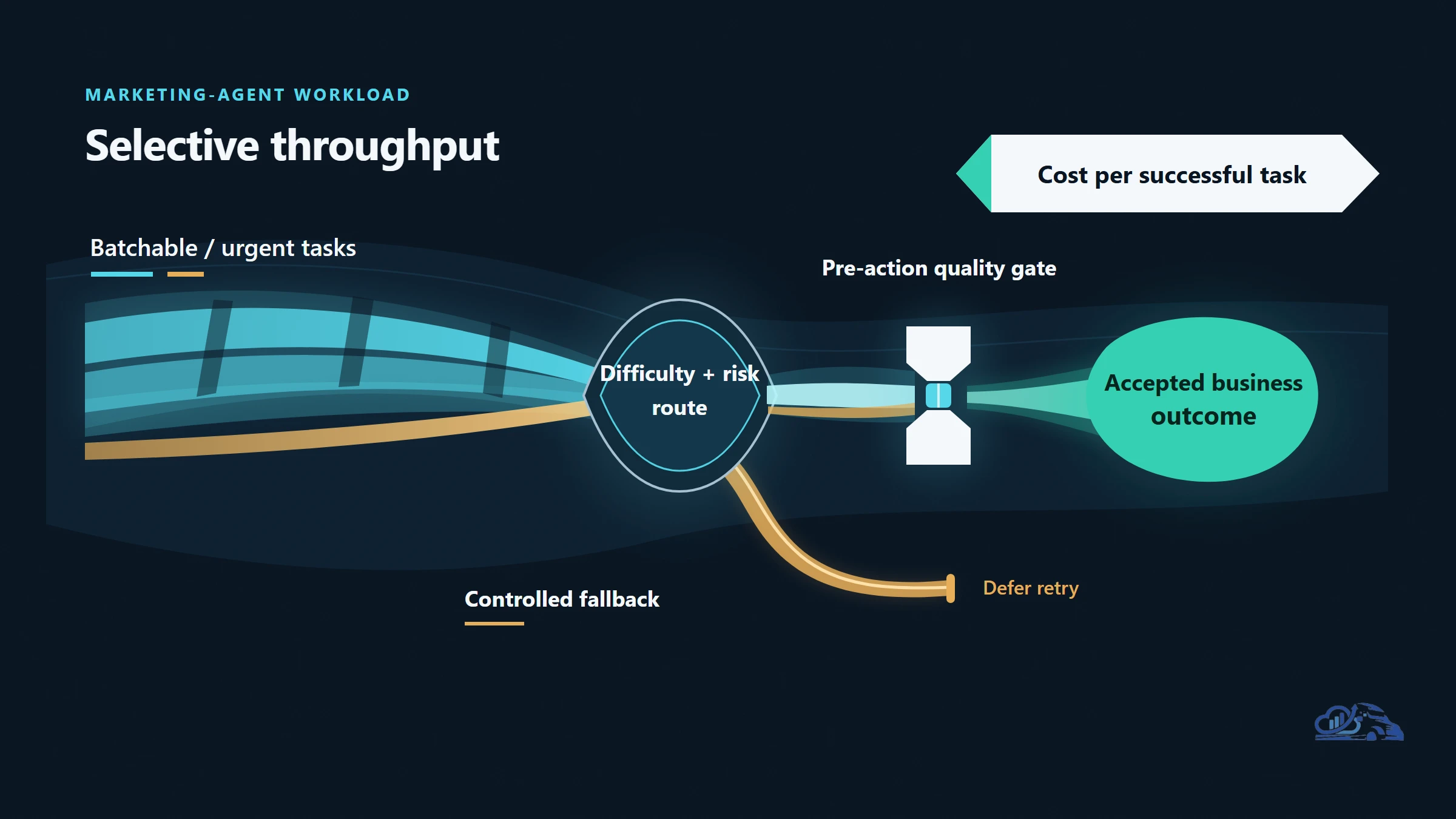
Chi phí thật của tác nhân AI qua câu chuyện Meta và Anthropic
Những yếu tố hạ tầng ảnh hưởng đến chi phí, tốc độ và khả năng mở rộng của quy trình AI cho marketing và vận hành doanh thu.
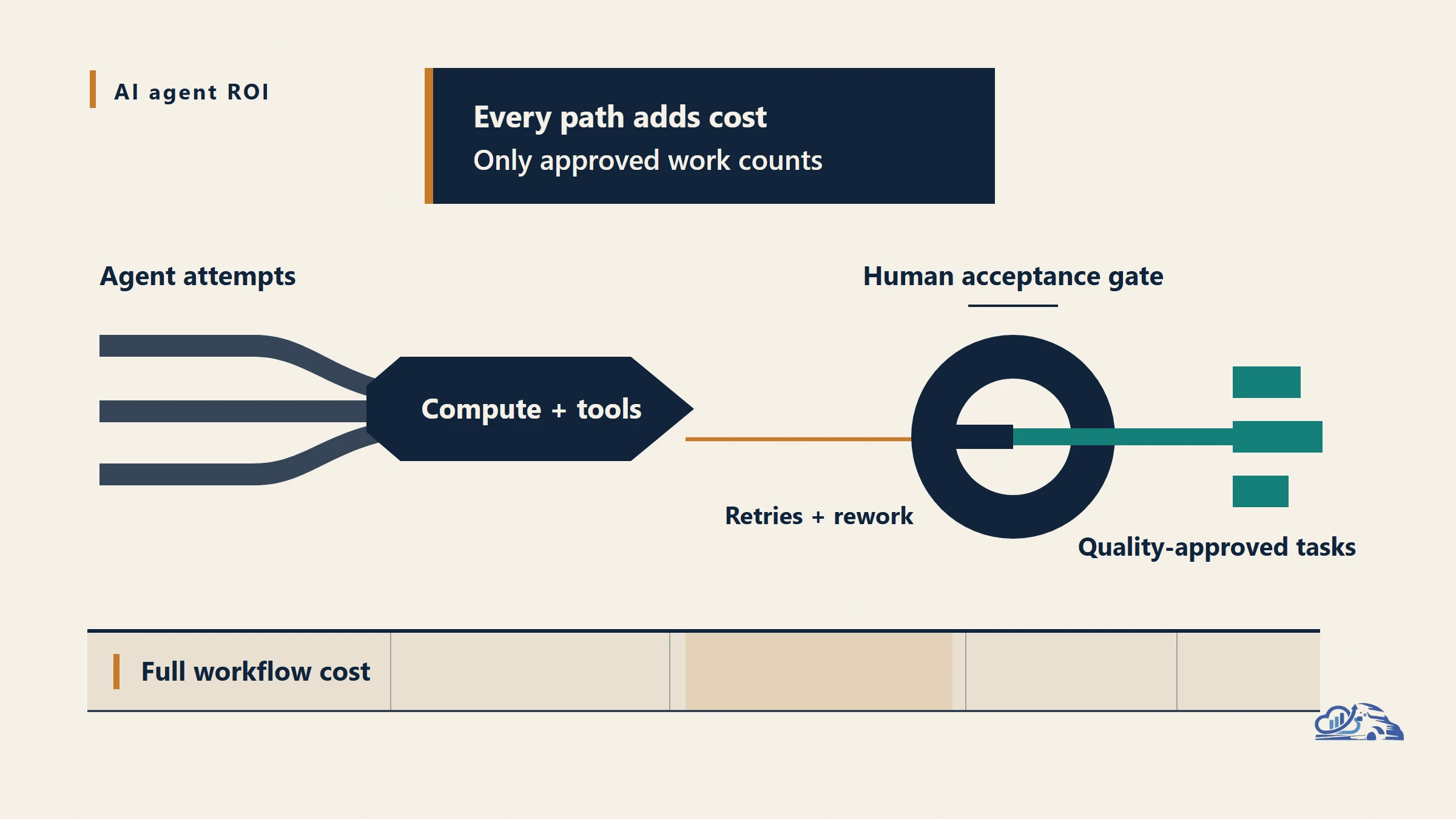
Đo ROI của tác nhân AI theo chi phí cho mỗi nhiệm vụ thành công
Khung đo cho token, công cụ, đánh giá, nhân sự kiểm duyệt và phần việc bị loại bỏ, thay vì chỉ nhìn vào hóa đơn API.
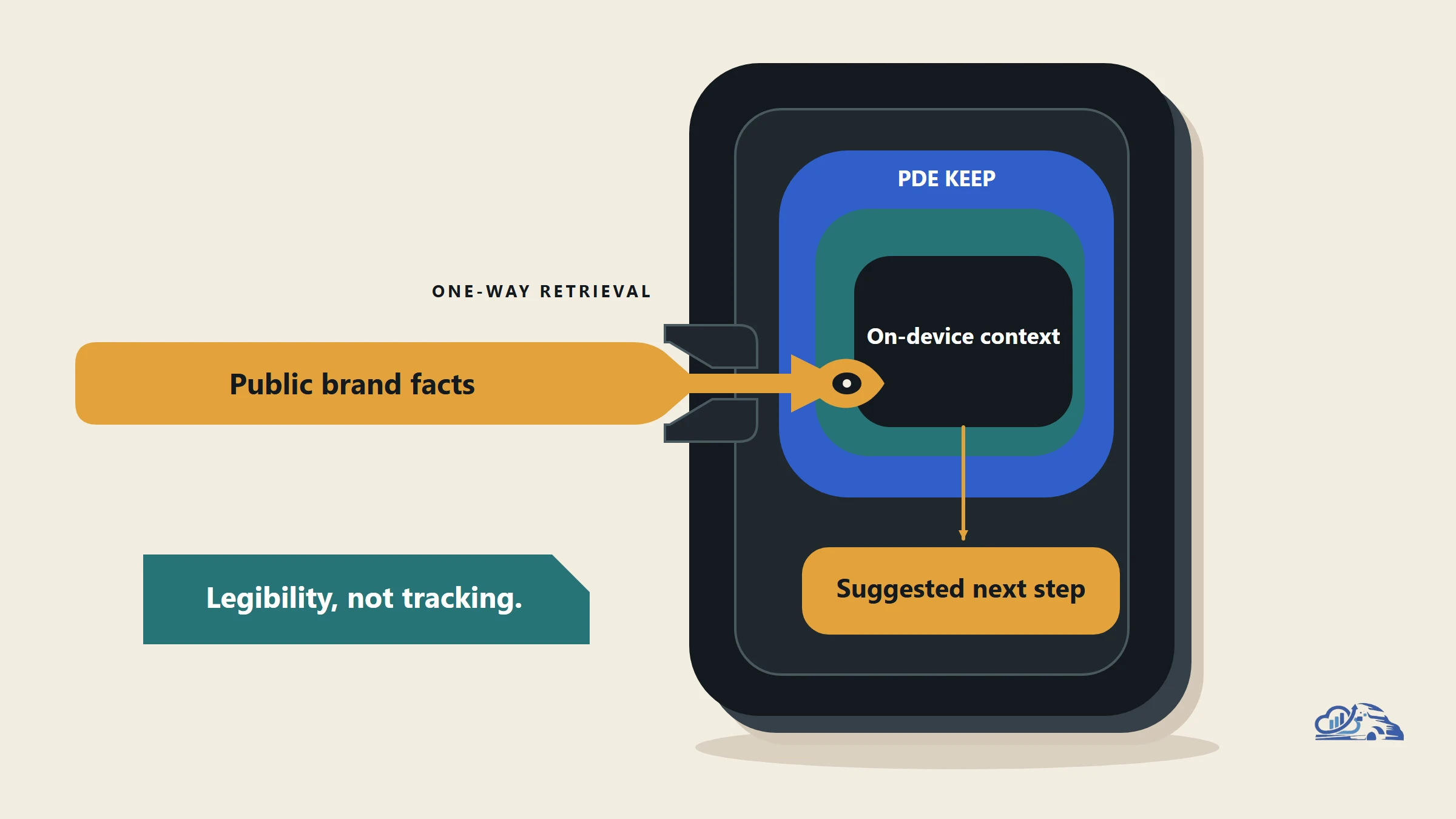
Tác nhân AI trên thiết bị và khả năng khám phá thương hiệu riêng tư
Cách chuẩn bị dữ liệu thương hiệu, nội dung nguồn và tín hiệu tin cậy khi ngữ cảnh cá nhân được xử lý ngay trên thiết bị.
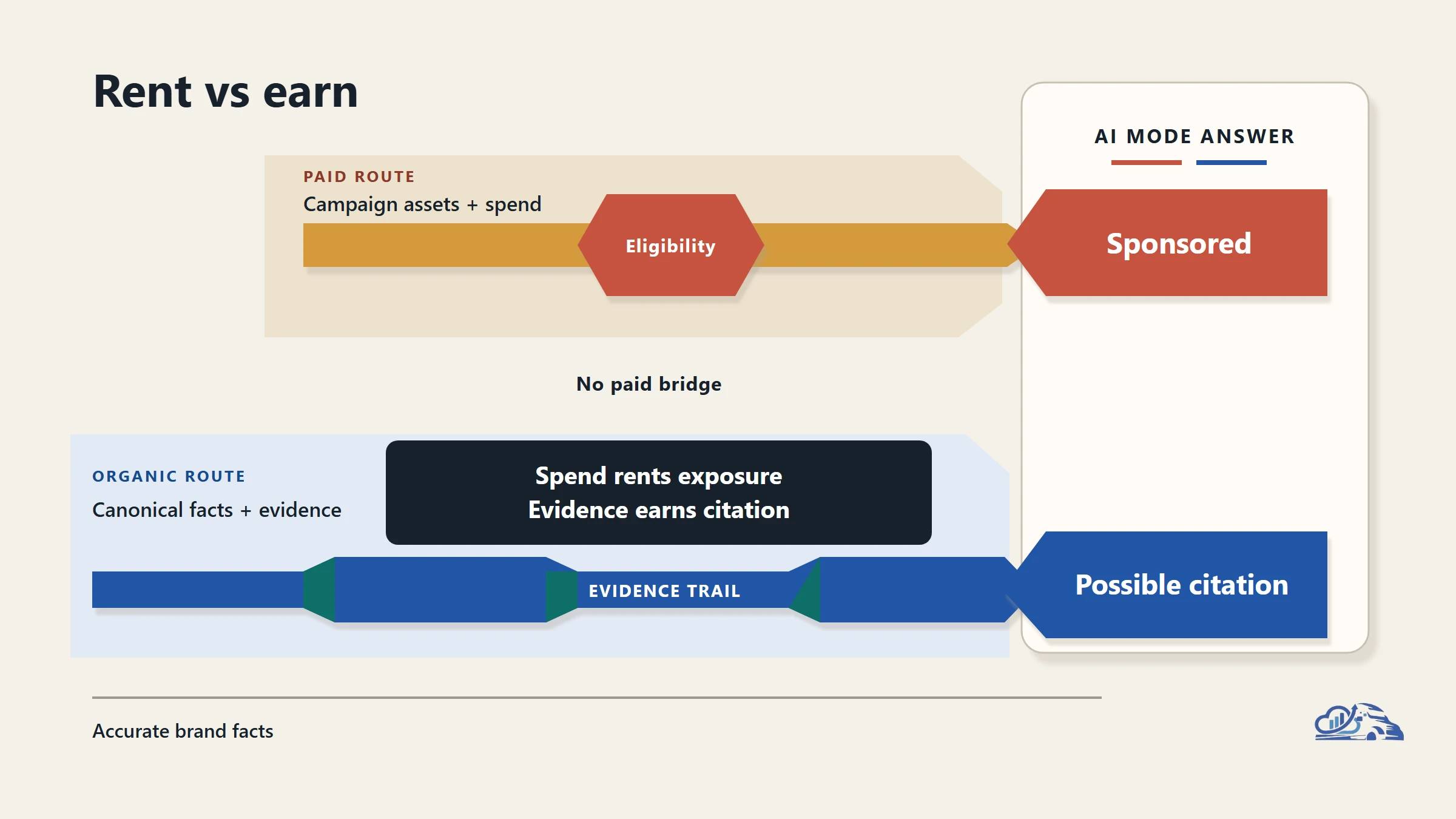
AEO sau quảng cáo trong Google AI Mode
Phân biệt vị trí tài trợ với hiện diện tự nhiên và các bước giúp nội dung được trích dẫn trong câu trả lời.
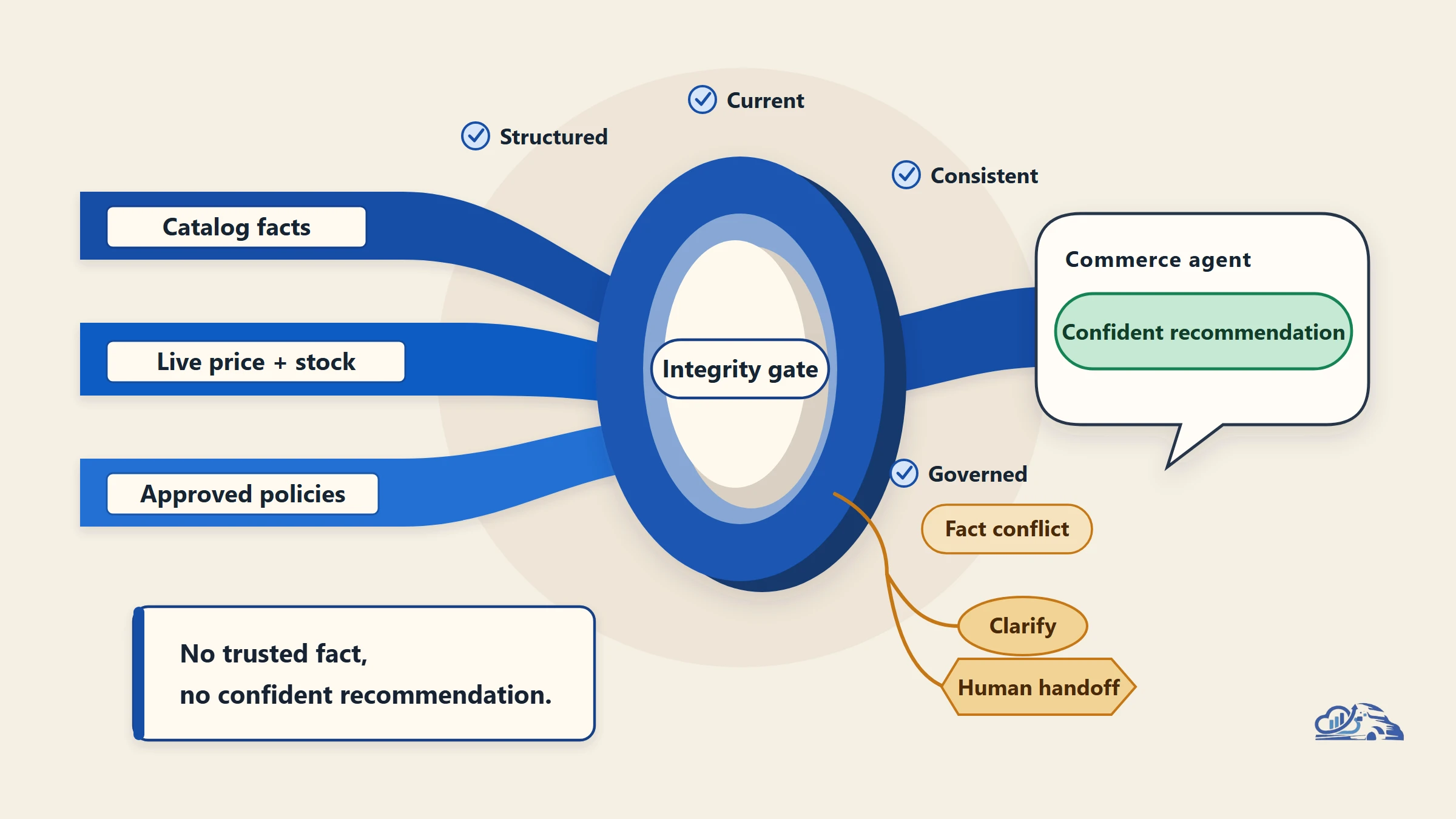
Tác nhân thương mại hội thoại: checklist sẵn sàng cho thương hiệu
Bộ khung đánh giá dữ liệu sản phẩm, trải nghiệm hội thoại, đo lường và kiểm soát trước khi triển khai.
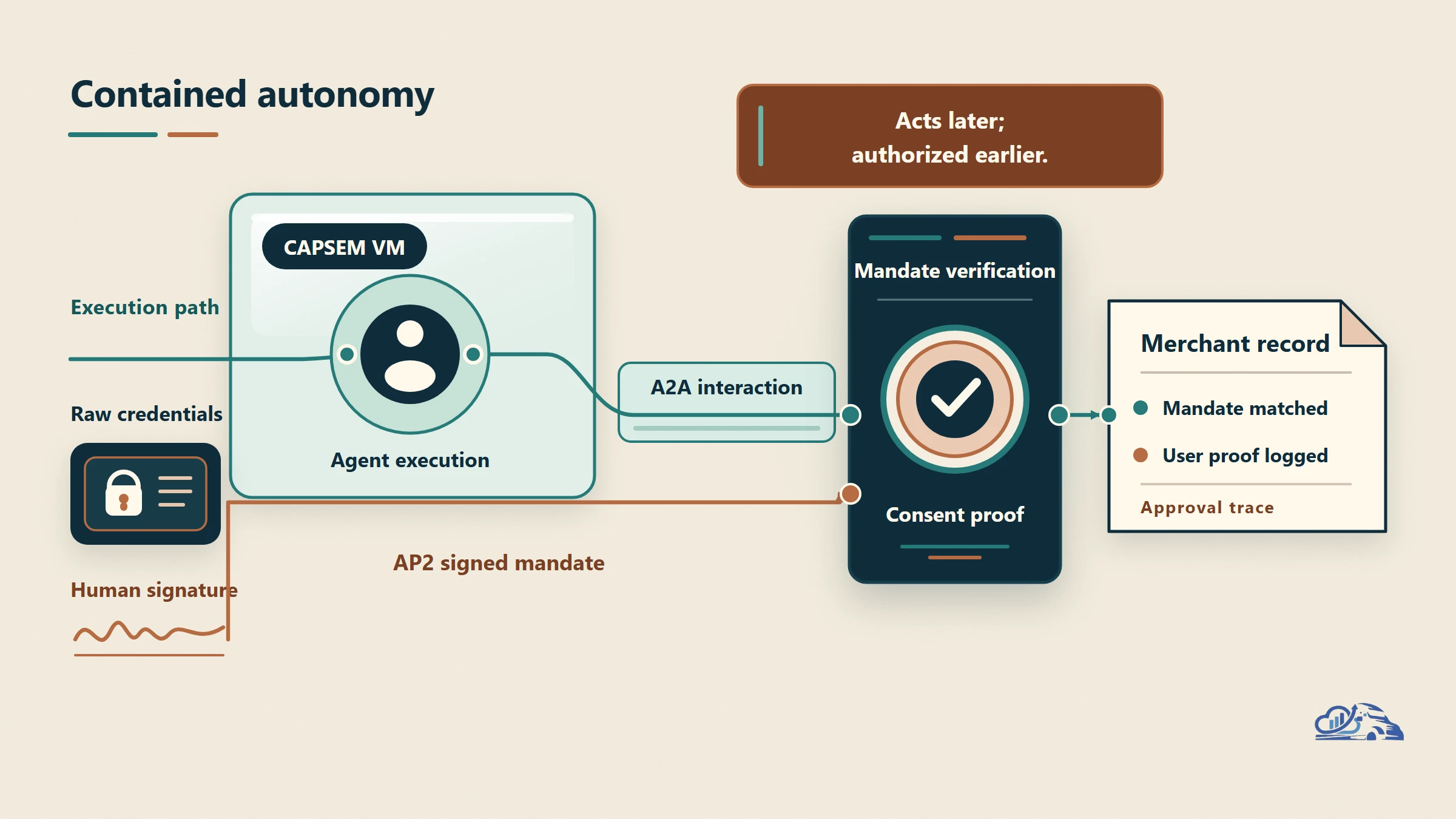
Thương mại qua tác nhân AI cần ưu tiên sự đồng thuận
Những điều thương hiệu cần chuẩn bị để tác nhân mua hàng hiểu đúng giá, điều kiện, tồn kho và chính sách hoàn trả.
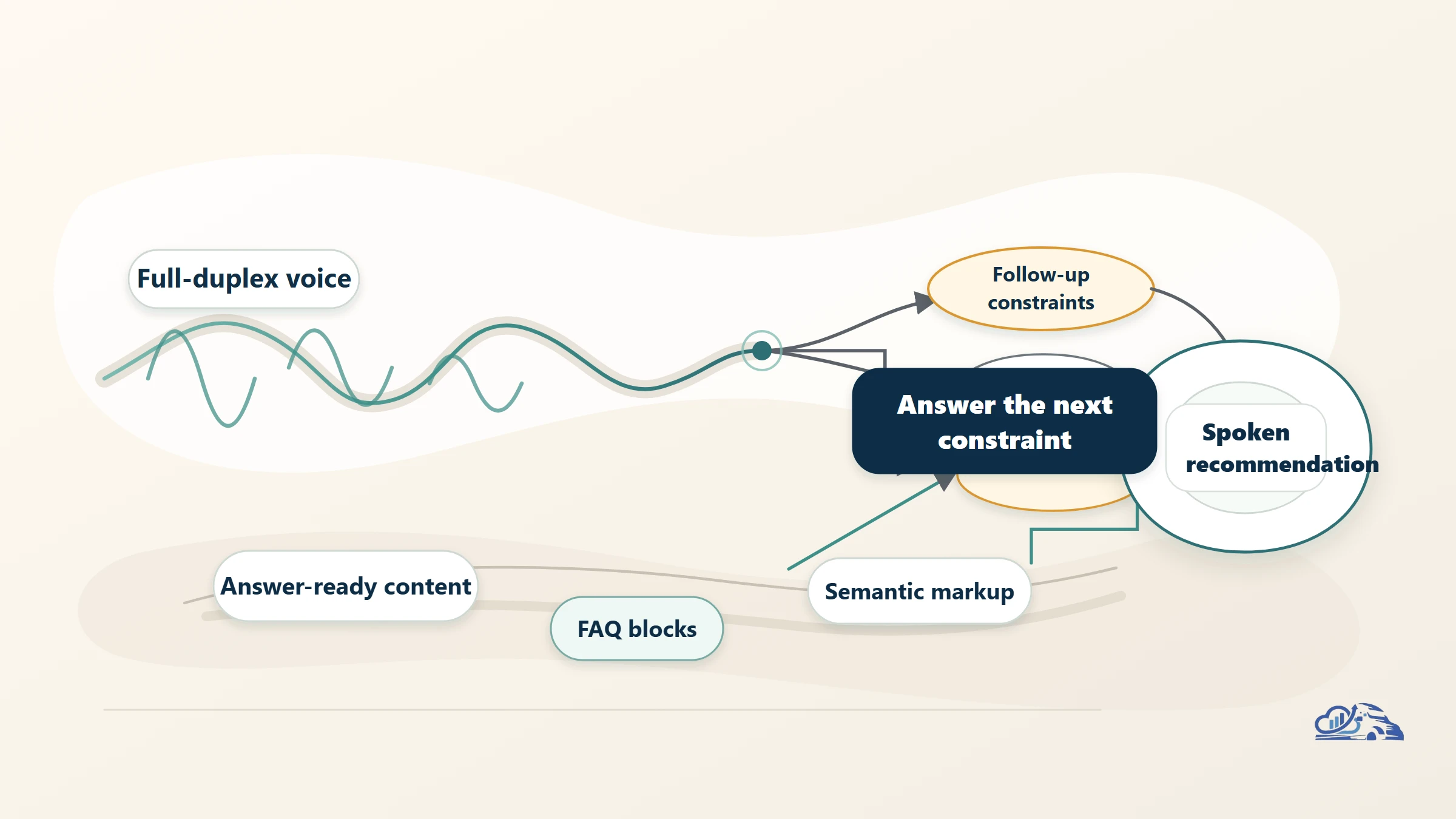
Tối ưu tìm kiếm hội thoại sau GPT-Live
Mô hình hóa ý định qua nhiều lượt hội thoại để nội dung vẫn rõ ràng, nhất quán và có thể được AI sử dụng.
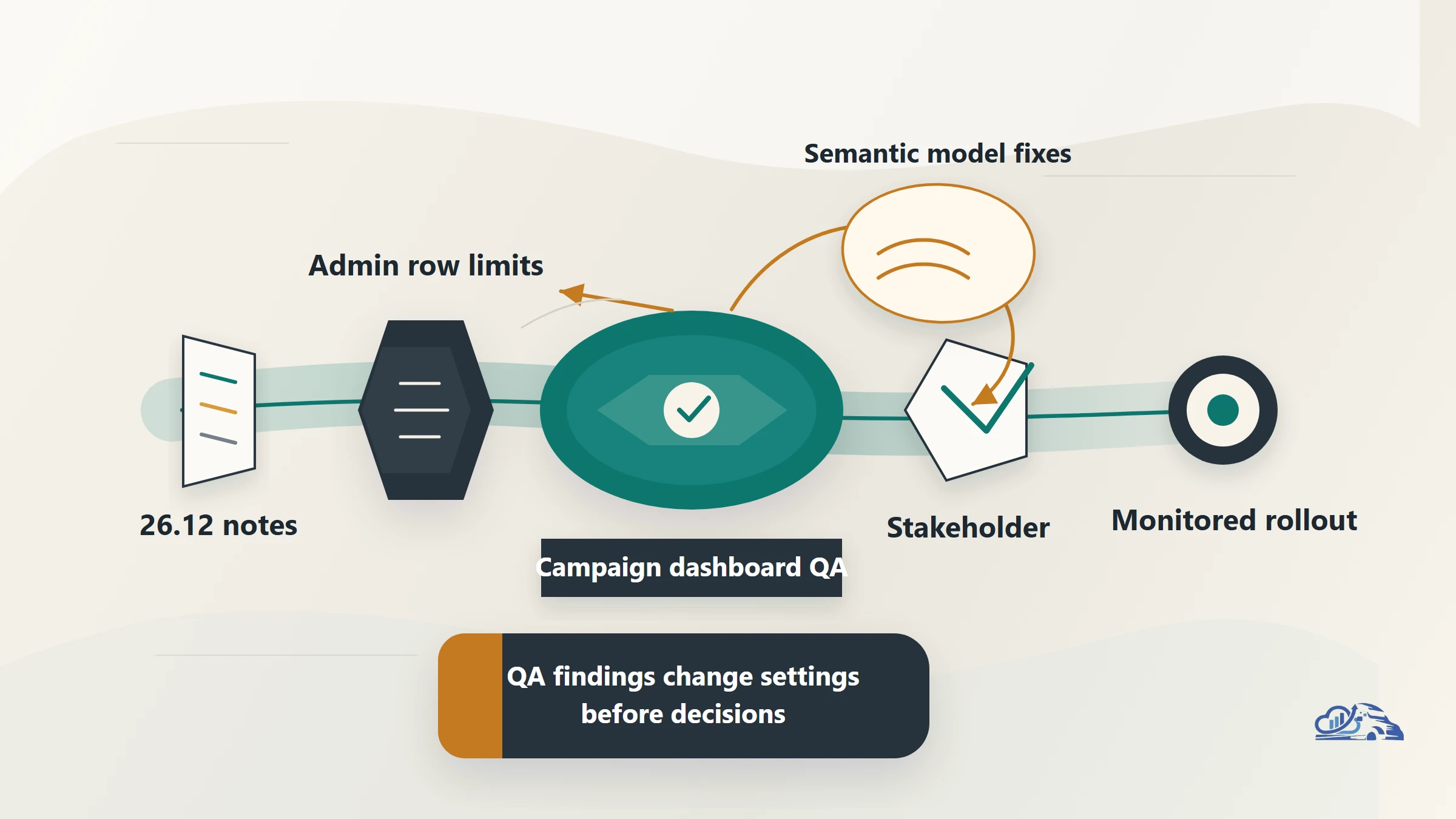
Looker 26.12 và những thay đổi đáng chú ý với đội ngũ phân tích marketing
Các điểm cần rà soát trước khi cập nhật để báo cáo marketing vẫn đúng, dễ đọc và phù hợp với quy trình kiểm duyệt.
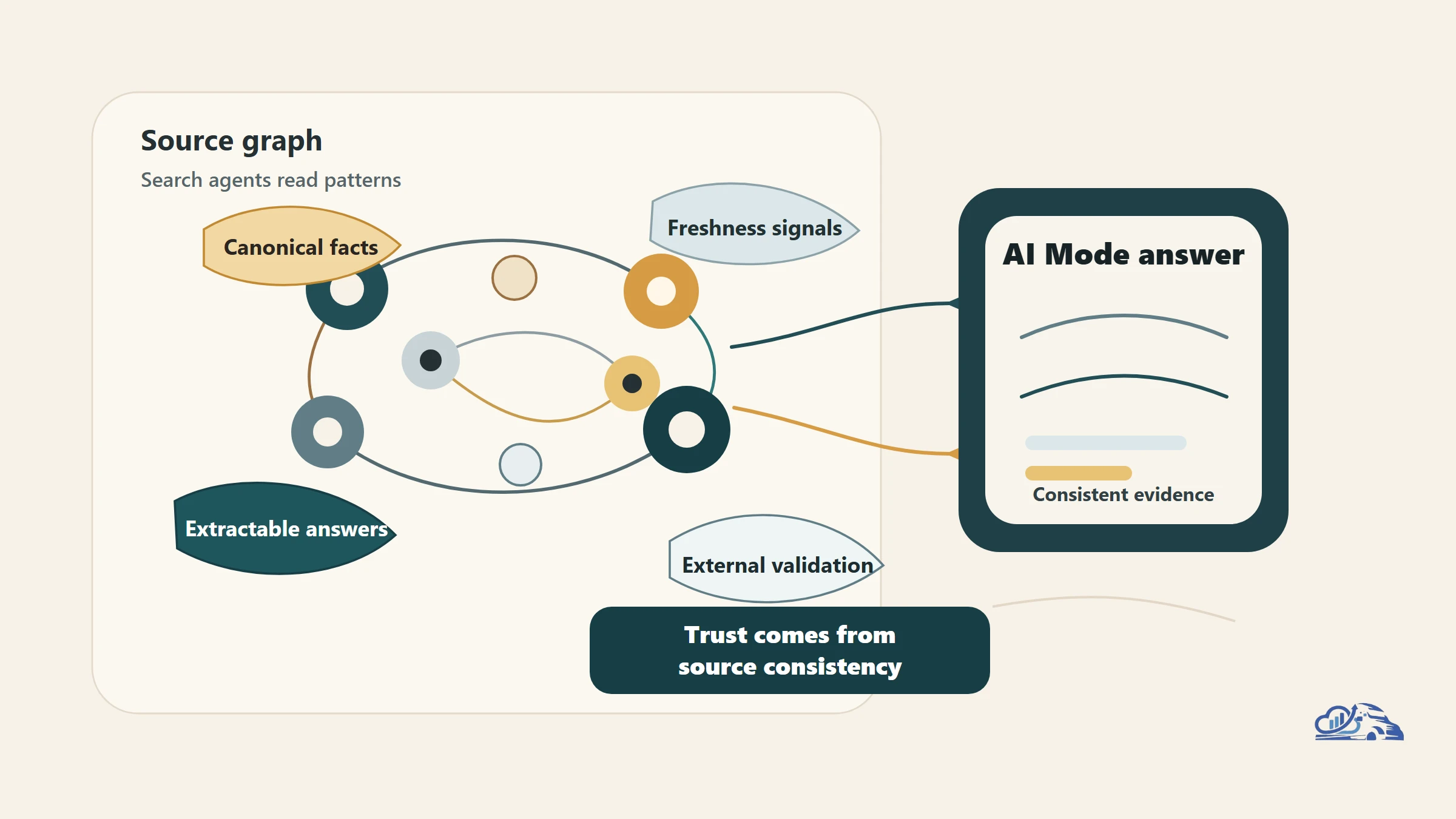
Tác nhân tìm kiếm của Google thay đổi GEO và AEO ra sao
Phân tích cách tác nhân tìm kiếm tổng hợp thông tin, theo dõi chủ đề và tạo câu trả lời, cùng những dữ liệu thương hiệu cần chuẩn bị.
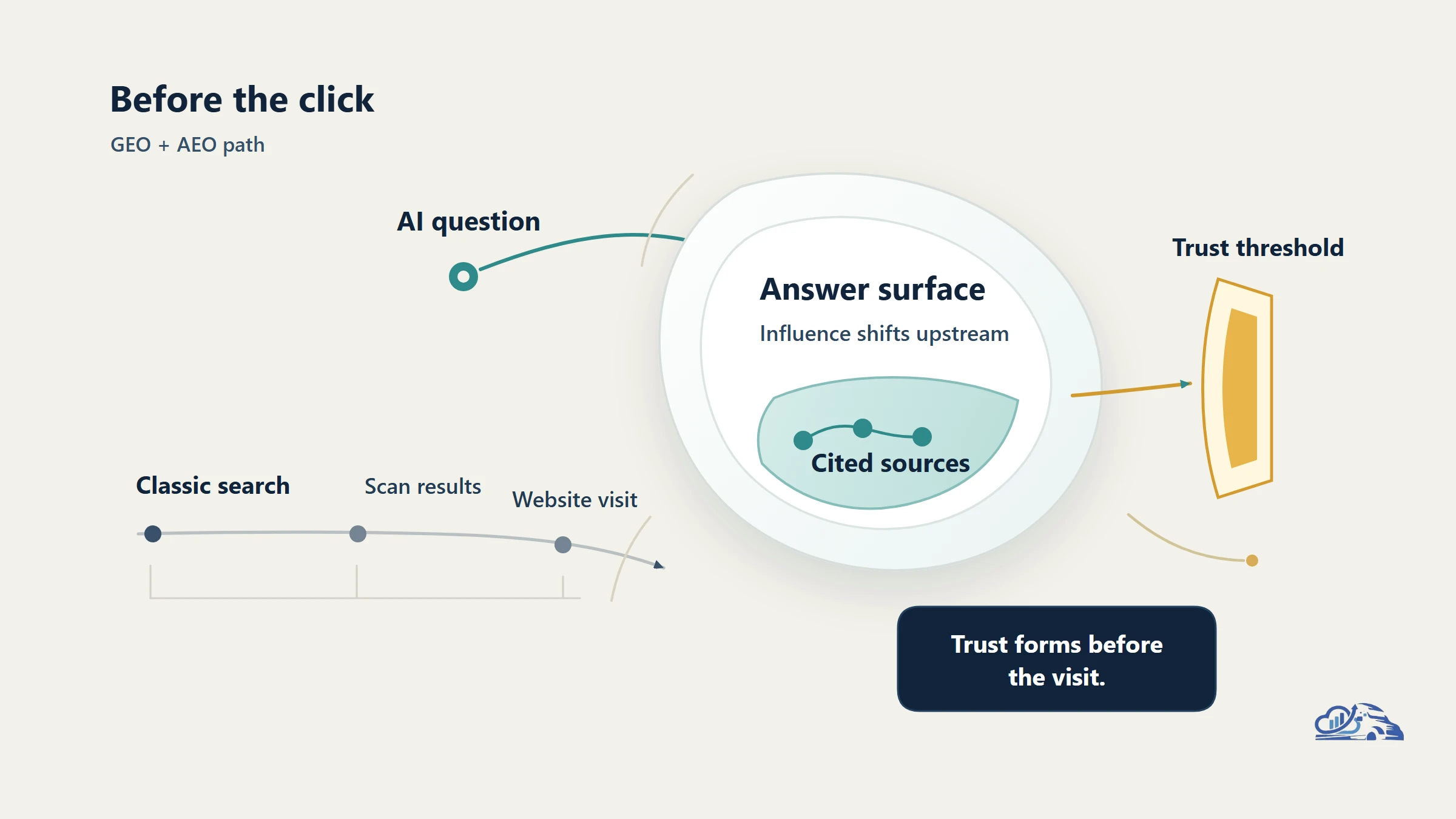
Chiến lược GEO và AEO: chuyển từ lượt nhấp sang cuộc trò chuyện
Khung triển khai thực tế gồm nghiên cứu, nội dung trả lời, bằng chứng, điểm duyệt và tín hiệu báo cáo cho đội ngũ marketing.
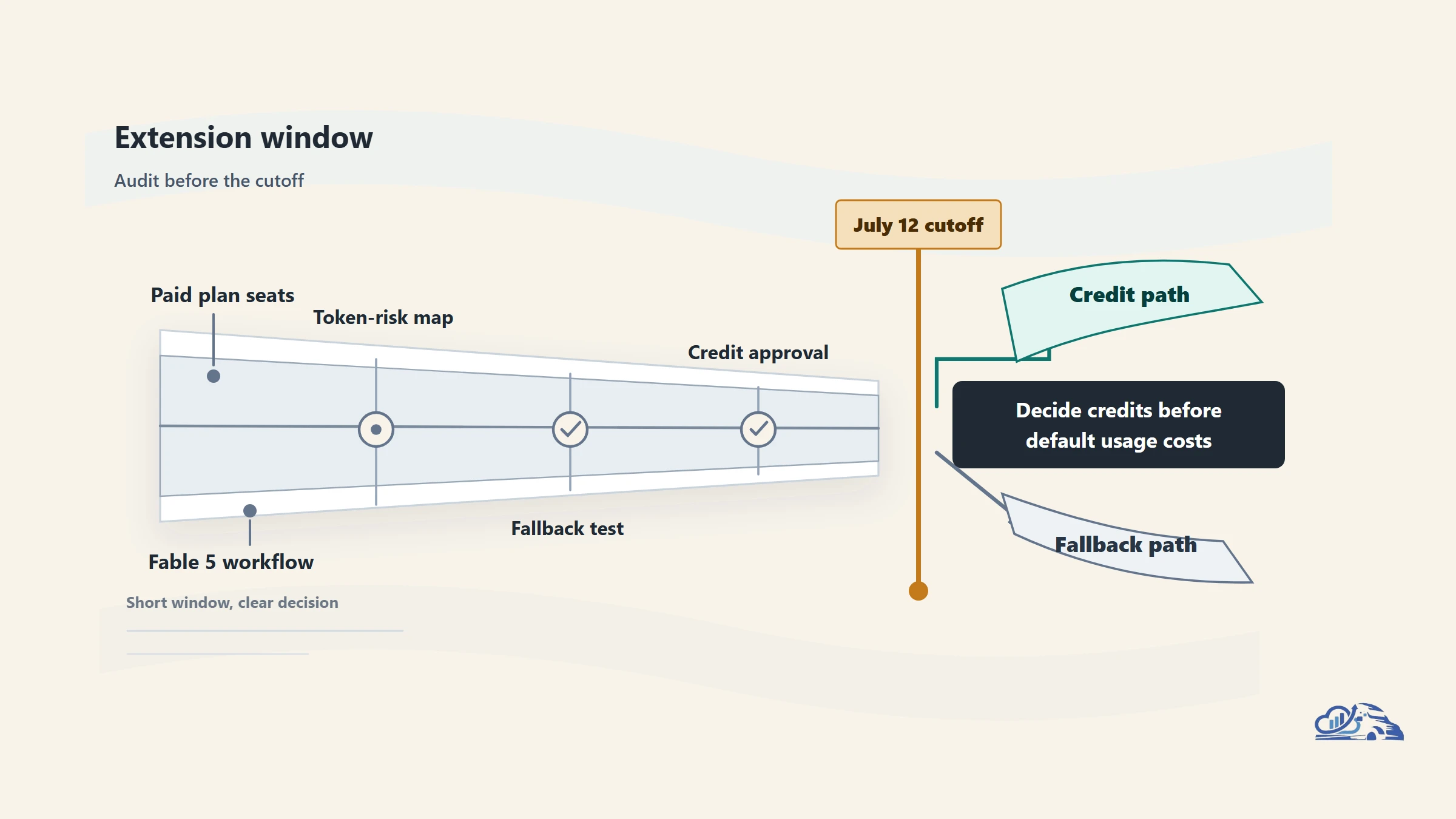
Gia hạn quyền truy cập Claude Fable 5: điều người dùng trả phí cần biết
Bản tóm tắt dành cho đội ngũ đang đánh giá tác động của thay đổi quyền truy cập mô hình đến kế hoạch nội dung và vận hành.
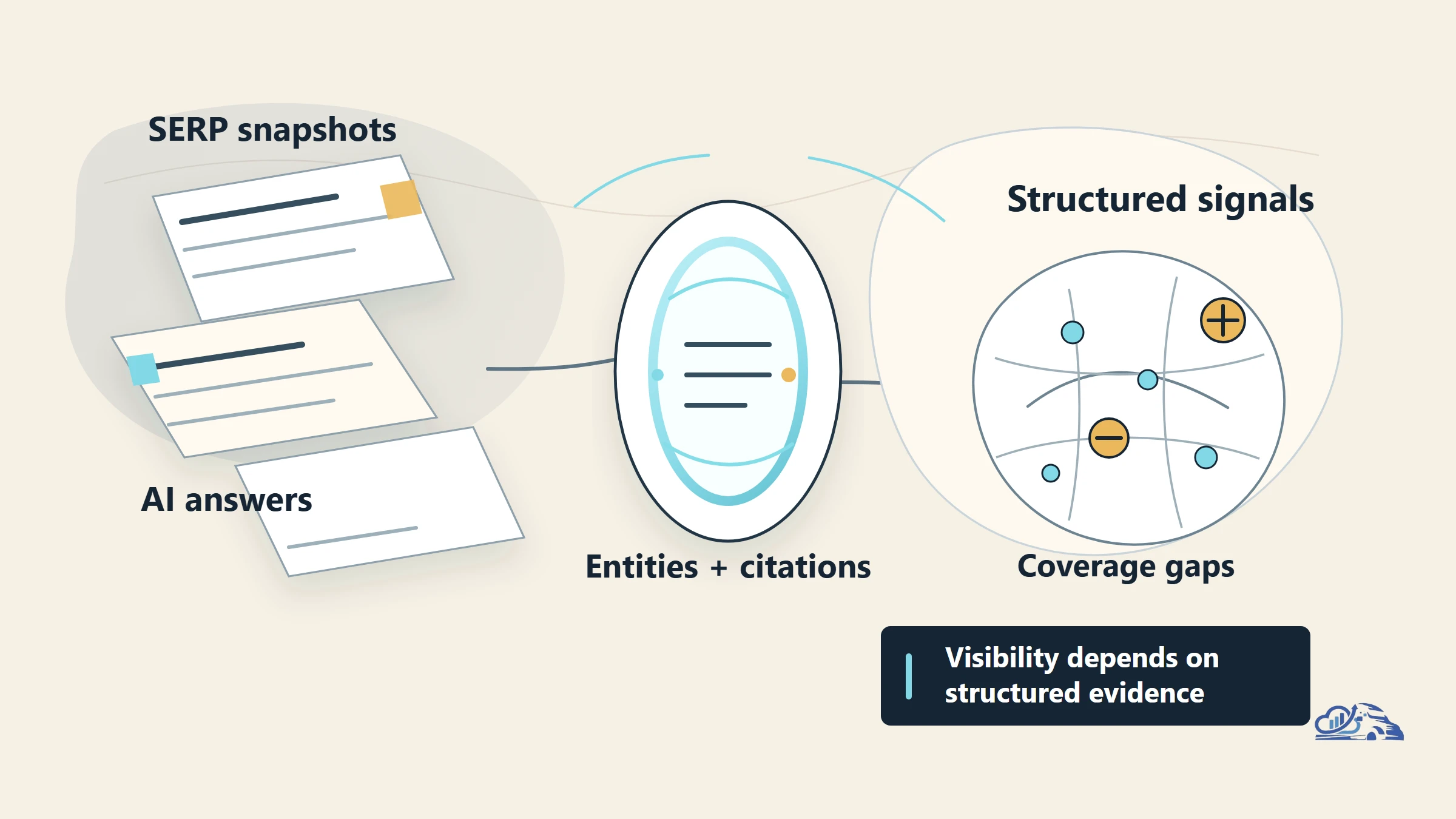
Nền tảng dữ liệu phía sau nghiên cứu tìm kiếm AI
Phân tích cách thu thập dữ liệu SERP và công cụ trả lời AI, làm sạch tín hiệu đối thủ và chuyển kết quả thành báo cáo có thể duyệt.
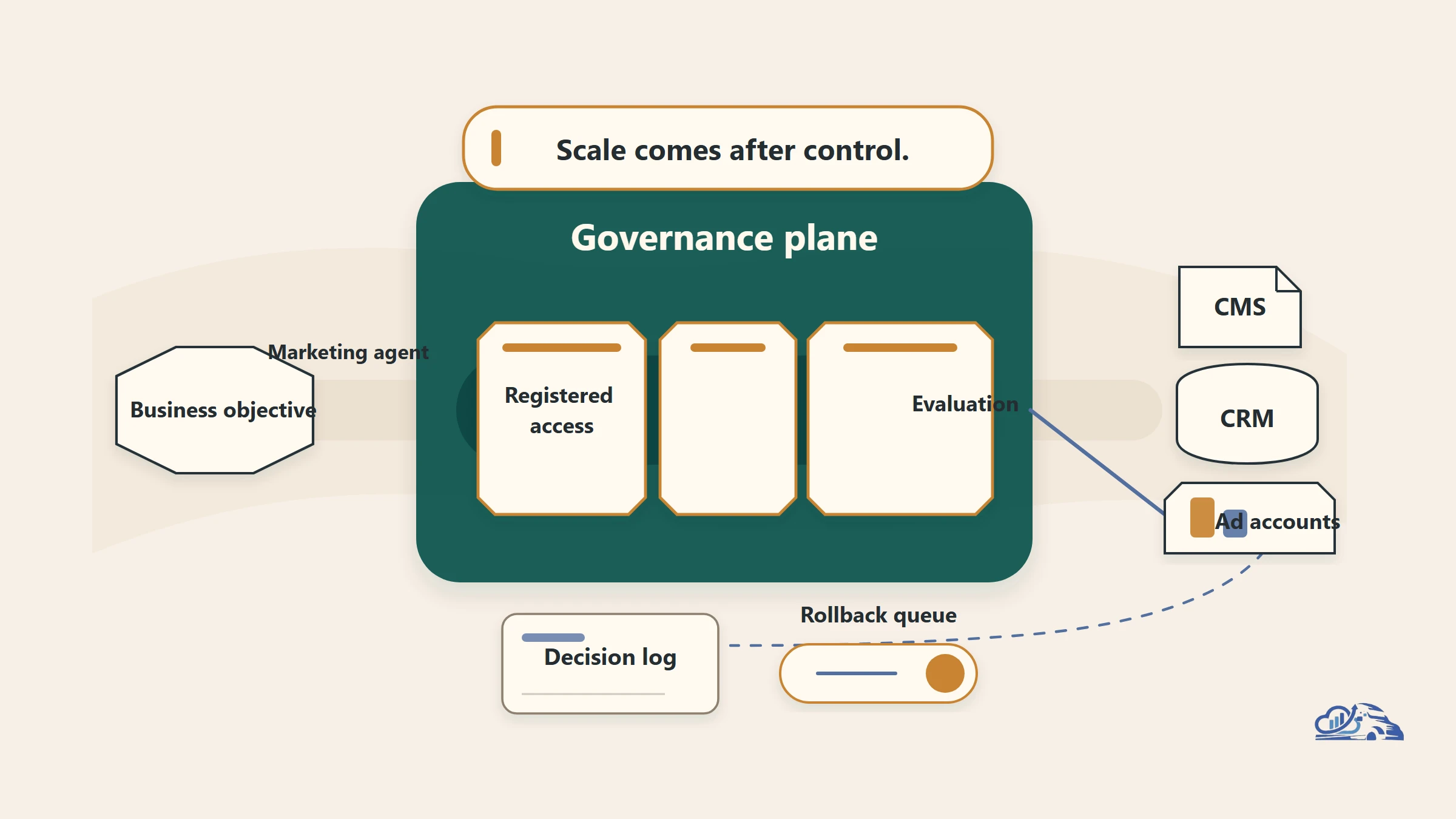
Đưa tác nhân marketing tự động vào vận hành doanh nghiệp
Lộ trình chuyển từ thử nghiệm prompt sang quy trình marketing tự động có trách nhiệm, có kiểm soát và có thể kiểm toán.
Khung XstraStar G-Power cho đo lường hiện diện tìm kiếm AI
Giải thích cách biến hiện diện trong câu trả lời AI thành một hệ thống điểm số, tín hiệu và quyết định có thể theo dõi.
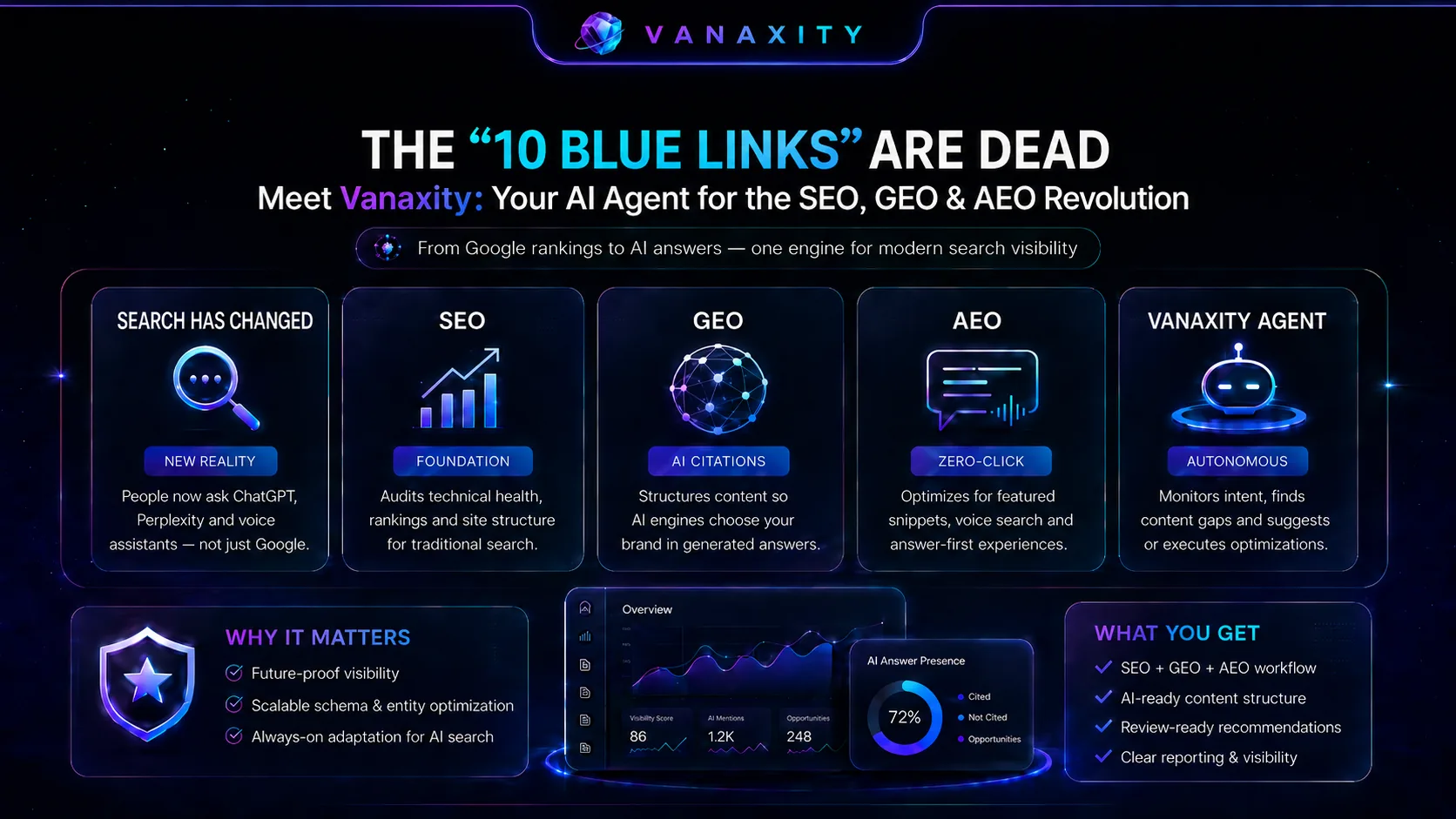
Mười liên kết xanh không còn là toàn bộ cuộc chơi
Giới thiệu Vanaxity, lý do hành vi tìm kiếm đã vượt ra ngoài SEO truyền thống và vai trò của con người trong quy trình nội dung AI.