ChatGPT Ads Bidding: What Changes on November 9, 2026
ChatGPT Ads bidding moves to Target CPA and Target CPC on Nov 9, and a leaked tool may show brands their ChatGPT mentions. What to change and measure now.


In short: Before November 9, check that your Pixel or Conversions API sends the right conversion event, then set each new target from your real recent cost per conversion or click, not a hopeful number. Plan to move old Max Bid campaigns yourself before January 1. Judge ChatGPT ads on revenue per visit, not clicks, and get your products and business details ready in case OpenAI opens its business tool.
On this page20
Overview
ChatGPT Ads bidding changes on Monday, November 9, 2026. OpenAI told advertisers that Target CPA replaces Max Bid for new conversion campaigns and Target CPC replaces Max CPC for new click campaigns. Max Bid and Max CPC retire on January 1, 2027.
A second change may matter even more for marketers. On November 6, a screenshot showed OpenAI testing a tool that would let businesses claim their listing in ChatGPT and see how often they're mentioned. OpenAI hasn't announced it.
Together, the two point the same way. ChatGPT is turning into a full marketing channel, with a paid side you can bid on and an organic side you may soon be able to measure. This guide covers both, plus the data on how well ChatGPT ads actually perform.
Disclosure: Vanaxity builds AI agents for marketing, including tools for GEO, the work of getting cited in AI answers. We have a stake in this channel growing. This article was drafted with help from Claude, and we label our own math.
Key takeaways
- From November 9, new ChatGPT conversion campaigns use Target CPA and new click campaigns use Target CPC.
- Targets are averages. The system may bid above or below them in any single auction.
- Old Max Bid and Max CPC campaigns keep running until January 1, 2027, when OpenAI moves them to targets.
- A leaked tool would show verified businesses their daily ChatGPT mentions and clicks, without prompt data.
- A working paper found US paid ChatGPT visits earned $0.89 each, against $2.45 from Google search ads.
- Set targets from your own recent costs, track revenue per visit and prepare your business data for ChatGPT.
Book a free fit checkMap your SEO, GEO and AEO workflow before you build.
Book a consultationChatGPT Ads bidding changes at a glance
| Date | What changes | Who it affects |
|---|---|---|
| November 9, 2026 | Target CPA replaces Max Bid for new conversion campaigns | Anyone creating a conversion campaign |
| November 9, 2026 | Target CPC replaces Max CPC for new click campaigns | Anyone creating a click campaign |
| Until January 1, 2027 | Old campaigns keep Max Bid or Max CPC unless you switch | Existing advertisers |
| January 1, 2027 | Max Bid and Max CPC retire; remaining campaigns move to targets | Every advertiser still on the old settings |
What changes in ChatGPT Ads bidding on November 9
Until now, ChatGPT advertisers could cap what they paid. Max Bid set a ceiling for each conversion bid, and Max CPC set a ceiling for each click. Those caps gave control, but they also limited how much the system could learn and spend.
From November 9, OpenAI says you can "optionally choose a cost target in Ads Manager." New conversion campaigns get ChatGPT Ads Target CPA, a target cost per action, and new click campaigns get Target CPC, a target cost per click that works the same way for traffic goals. OpenAI also renamed its default "Maximize results" option to "intelligent bidding," per Relevant Audience.
It's a familiar move. Microsoft Advertising stopped offering Max CPC on many new campaigns from October 1, 2026. The platforms want you to set a goal and let the model decide each bid.
How ChatGPT Ads bidding targets work
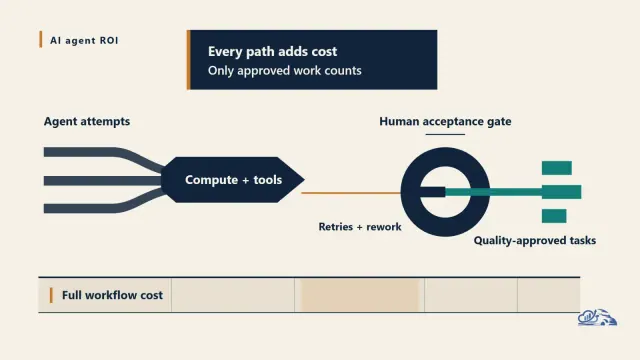
A target is an average, not a ceiling. With Target CPA, you set the average amount you'd like to pay for a conversion, and the system adjusts bids and delivery toward it.
Target CPC works the same way for clicks. OpenAI says it lets the system bid above or below your target in each auction, while trying to get as many clicks as possible at the average you set.
That's the key difference. Under Max CPC, no single click could cost more than your cap. Under Target CPC, some clicks will cost more and some less, and only the average should land near your number.
The trade-off is volume against control. A target usually wins more auctions than a hard cap, but you give up the guarantee on any one bid.
What happens to existing campaigns
Old campaigns are safe for now. They keep Max Bid or Max CPC until you switch them to a target yourself.
On January 1, 2027, OpenAI retires both old settings. Any Max Bid campaign still running moves to Target CPA, and any Max CPC campaign moves to Target CPC. OpenAI hasn't said what target value it will assign in that move.
So switch early. If you move a campaign in a quiet week in November or December, you choose the target and can watch the results. If you wait, the switch lands on New Year's Day, with a target you didn't pick.
How to set your first target
OpenAI's advice is short. Use your recent actual cost per conversion or click to choose realistic targets, it says. It also warns that tight targets or weak conversion signals can cut delivery and leave budget unspent.
- Pull your last 30 days of real cost per conversion or click for the campaign.
- Set the first target close to that number.
- Check that your Pixel or Conversions API sends the conversion event the campaign optimizes for.
- Leave the target alone for at least a week or two before judging it, because early results swing while the system learns which people and questions convert for you.
- Lower it in small steps, about 10% at a time, if results hold.
OpenAI hasn't published a minimum number of conversions or a learning period for the new targets. Treat the first two weeks as learning time and don't panic at early swings.
A ChatGPT Ads bidding checklist for this week
- List every live campaign and note whether it uses Max Bid, Max CPC or intelligent bidding.
- Confirm conversion tracking works.
- Write down the recent cost per conversion and per click for each campaign.
- Plan which campaigns you'll move to targets in November and which in December.
- Brief your finance team that single clicks may now cost more than the old cap, because a target only controls the average, so daily costs will move around more than before.
- Set an alert on total spend, since targets aim at averages, not caps.
If you also run Google, Meta or Microsoft campaigns, this will feel familiar. The difference is that ChatGPT is a younger channel with less data behind each target, so early results may swing more.
How big ChatGPT advertising has become
The bidding change follows fast growth. Here are the main numbers, with their sources.
| Measure | Figure | Source |
|---|---|---|
| Weekly ChatGPT users | More than 1.2 billion | OpenAI |
| Countries with ChatGPT ads | 89, since October 21, 2026 | OpenAI via PPC Land |
| Advertisers that have run campaigns | More than 100,000 | OpenAI via PPC Land |
| Ad placements, June to September 2026 | 204,489 | Adthena |
| Who sees ads | Free and Go plans only | OpenAI |
| Minimum daily spend in the US | $25 per campaign | PPC Land |
Adthena's report adds detail: apparel, consumer electronics and travel made up about 95% of placements, and the number of advertisers grew nearly six times in two months. Many ads showed on early research questions rather than ready-to-buy ones.
In finance, ads spread even faster. An AirOps study of 2.8 million ChatGPT answers found ads in 53.1% of tracked fintech answers by July 19, 2026. AirOps sells AI search services, so treat it as a vendor study. Ads appear only for people on the Free and Go plans, according to OpenAI's October update.
The performance gap: what the study found
Scale isn't the same as results. A working paper by Maximilian Kaiser of WU Vienna and Christian Schulze of Frankfurt School of Finance & Management compared ChatGPT ads with Google search ads for online shops.
In US traffic, a paid ChatGPT visit earned $0.89 in revenue, against $2.45 for a paid Google search visit. ChatGPT ad visits converted at 0.37%, against 1.17% for Google search. Of 87 advertisers that bought both, 84 earned less per ChatGPT visit.
Revenue per paid visit, US traffic
Revenue per visit
Why the study's numbers need care
The paper is useful, but it's early and has limits its authors point out themselves.
- It's a working paper under review.
- The paid results rest on about 450,000 sessions, mostly in the US.
- One advertiser accounts for 66% of paid ChatGPT purchases in the sample, so a single shop weighs heavily on every average the paper reports.
- It counts only last-click sales, which can miss people who buy later.
- The data ends on August 22, 2026, before the bidding change and the European launch.
- The data came from Grips Intelligence, where one author used to work and now advises.
So read it as a warning sign, not a verdict. ChatGPT ads may help people discover a brand early and buy later, which last-click tracking can't see.
What the performance gap means for ChatGPT Ads bidding
The paper adds one more number that matters for bids. To match the return of Google search ads, a ChatGPT click would need to cost about $0.26, the authors estimate. The largest publicly known account paid $1.72 per click.
Cost per click: parity price vs a known account
Cost per click
By our math, that's a gap of more than six times. If your ChatGPT visits earn like the ones in the study, a Target CPC set from your Google costs would lose money.
Bid from your own numbers. The first target should come from your own ChatGPT data, measured in revenue, not clicks. If you don't have enough sales data yet, start with a small budget and a conversion goal you can track.
The leaked ChatGPT business tool
The organic news came from a screenshot. Juozas Kaziukėnas shared it on LinkedIn, and Search Engine Roundtable reported it on November 6. The page reads "Claim your business in ChatGPT."
It promises three things. Businesses can track how often they're mentioned in ChatGPT conversations, add their latest products and keep business details up to date, and let a business agent answer customer questions with context they control.
OpenAI hasn't confirmed it. Kaziukėnas called it a work in progress and said he saw its first steps as early as August, so the final version may look different.
What the tool would and wouldn't show
| Feature | In the leaked tool? | Why it matters |
|---|---|---|
| Daily impressions (mentions in answers) | Yes, as a chart | First count of AI visibility from OpenAI itself |
| Daily clicks to your site | Yes | Shows which mentions send traffic |
| Product and business updates | Yes | A direct way to correct what ChatGPT says |
| Business agent for customer questions | Yes | Your answers, in your words, inside ChatGPT |
| Prompt data | No | You won't see what people asked |
| Competitor rankings or benchmarks | No | You can't compare share of voice |
Access would be limited to businesses that verify they're allowed to represent the brand, for example by connecting a Shopify store.
What first-party data would mean for GEO
Today, most GEO measurement relies on third-party tools that run sample prompts and count mentions. They're useful, but they guess. If OpenAI launches this tool, brands would get daily impressions and clicks straight from ChatGPT for the first time.
That would change GEO reporting. You could tie content and product updates to real changes in mentions and clicks, much as Search Console did for Google. Our guide to what GEO is covers the basics.
The missing prompt data is a real limit. You'll see that you were mentioned, not why. Third-party prompt tracking will still matter for finding the questions you should answer.
How to prepare your brand for ChatGPT now
- Make sure your product feed and business details are accurate and current.
- If you sell on Shopify, check the store is ready to connect, since it was named as a way to verify.
- Write clear answers to the questions customers ask most, in your own words.
- Start a simple baseline now: track ChatGPT referral sessions and sales in your analytics.
- Name an owner for ChatGPT business tools.
None of this is wasted if the tool slips. Clean product data and clear answers help you get cited in ChatGPT, Gemini and Google's AI answers alike.
Paid and organic: one plan for ChatGPT
Paid and organic ChatGPT now need one owner. Ads show beside answers, and the business tool would shape the answers themselves. As we noted when ChatGPT Ads passed a $1 billion run rate, being the cited answer and buying the ad slot next to it are two sides of one job.
A simple split works for most teams. Use organic work to get cited for research questions, and test ads on questions where people are close to buying. Measure both in revenue, in the same report.
The study adds a useful check. It found no statistically clear drop in unpaid ChatGPT referrals in the first 13 weeks after ads arrived, though a modest drop can't be ruled out.
Risks and open questions in ChatGPT Ads bidding
- Targets can spend faster than caps. Watch total spend daily in the first weeks.
- OpenAI hasn't said what targets it will assign to campaigns it moves on January 1.
- Performance data is thin, and the best study so far is early and US-heavy.
- The business tool is unconfirmed.
- Without prompt data, the tool can't tell you which questions drive your mentions, so you'll still need your own prompt tests to know what to write next.
What to watch next
- Delivery and costs in the first two weeks after November 9.
- OpenAI's guidance on targets for automatically moved campaigns before January 1.
- Holiday results, which Adthena's data didn't yet cover.
- An official launch of the business tool, and which countries and platforms it supports.
- The final, peer-reviewed version of the Kaiser and Schulze paper.
If you want help setting up ChatGPT tracking, targets or GEO reporting, see what we build or browse more Vanaxity insights. For why ads alone don't win AI answers, read why advertising fails in AI search.
ChatGPT Ads bidding FAQ
What changes in ChatGPT Ads bidding on November 9, 2026?
From November 9, new conversion campaigns use Target CPA instead of Max Bid, and new click campaigns use Target CPC instead of Max CPC. You set an average cost per conversion or click, and the system bids toward it. Existing campaigns keep their settings until you switch them.
When do Max Bid and Max CPC end?
OpenAI retires Max Bid and Max CPC on January 1, 2027. Any campaigns still using them move automatically, Max Bid to Target CPA and Max CPC to Target CPC. Switching earlier lets you choose the target yourself.
Is Target CPC a maximum price per click?
No. Target CPC is an average. OpenAI says the system can bid above or below your target in each auction while aiming for as many clicks as possible at that average. Max CPC was the setting that capped each click.
Do ChatGPT ads perform as well as Google search ads?
Not yet, according to one working paper. In US traffic, paid ChatGPT visits earned $0.89 each against $2.45 for Google search ads, and converted at 0.37% against 1.17%. The paper is under review and has limits, so test with your own data.
What is the ChatGPT business tool?
It's an unannounced OpenAI tool seen in a screenshot on November 6, 2026. It would let verified businesses claim their listing, track daily mentions and clicks in ChatGPT, update products and use a business agent to answer customers. It wouldn't show prompt data.